

Search Token/Wallet
Custodial vs Non-Custodial Crypto Wallets: Key Differences Explained
2025-12-20 13:50
Blockchain
Crypto Tutorial
DeFi
Web 3.0
Web3 wallet
Article Rating : 3.5

59 ratings
The article "Custodial vs Non-Custodial Crypto Wallets: Key Differences Explained" provides a comprehensive analysis of the two main types of cryptocurrency wallets. It discusses how custodial wallets offer ease of use and recovery options but require trust in third parties, whereas non-custodial wallets provide complete control over assets but necessitate personal responsibility for security. The article addresses questions regarding wallet selection, risks, and practical use cases, guiding readers through the decision-making process. Aimed at traders and crypto enthusiasts, it offers insights into managing digital assets securely.
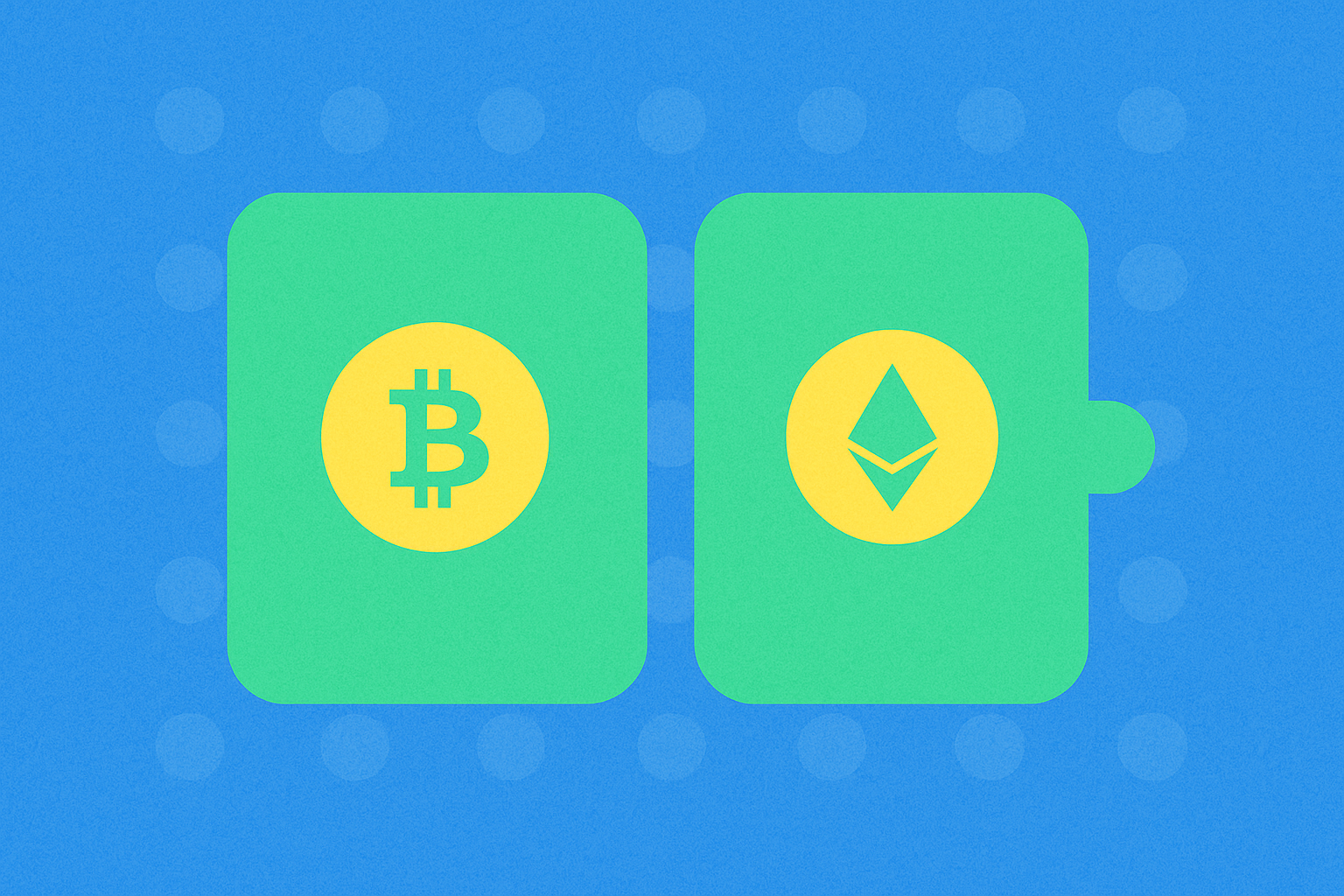
# Custodial Versus Non-Custodial Wallets
Trading cryptocurrencies requires a digital [wallet](https://www.gate.com/web3), but understanding the fundamental differences between wallet types is crucial for making informed decisions about asset security and control. Digital wallets are managed through a combination of cryptographic keys: public keys, which function like mailing addresses for receiving assets, and private keys, which act as the master key granting complete control over the wallet's contents. The primary distinction between custodial and non-custodial wallets lies in who maintains control of these private keys, which fundamentally determines the level of autonomy a user has over their digital assets.
## What is a Custodial Wallet?
A custodial wallet is a cryptocurrency storage solution where the private keys are held and managed by a third-party entity rather than the individual user. These custodians are typically centralized cryptocurrency exchanges or professional custodial services that maintain control over user accounts. For example, when a trader creates an account on major centralized platforms, they receive access to custodial wallets for various cryptocurrencies such as [Bitcoin](https://www.gate.com/zh/trade/BTC_USDT) and [Ethereum](https://www.gate.com/zh/trade/ETH_USDT), but the exchange retains exclusive knowledge of the private keys.
The relationship between users and custodial wallet providers functions similarly to traditional banking relationships. Users must agree to terms and conditions that define the extent of their rights over the digital assets stored in these wallets. While users can still interact with their cryptocurrencies—sending, receiving, and trading—they do not possess complete control. The custodian theoretically has the power to freeze accounts, restrict transactions, or limit access to funds at any time. This arrangement requires users to place significant trust in the third-party provider to honor their agreements and maintain the security of stored assets.
## What is a Non-Custodial Wallet?
Non-custodial wallets represent the alternative approach to cryptocurrency storage, granting users complete sovereignty over their digital assets. In this model, only the wallet owner has access to the private keys, which are typically presented as a seed phrase—a sequence of random words that serve as the master password to the wallet. This seed phrase is the sole means of accessing the cryptocurrency stored within, making its security paramount.
The seed phrase serves a dual purpose: it provides exclusive access to the wallet and acts as a recovery mechanism. For instance, if a user loses their phone or needs to reinstall their wallet application on a new device, they can restore complete access to their funds by entering the original seed phrase. This design eliminates the need to trust third-party exchanges or companies with asset custody, but it also places the entire burden of security and responsibility on the individual wallet owner. If the seed phrase is lost or compromised, the consequences can be severe—lost seed phrases may result in permanently inaccessible funds, while stolen phrases grant complete control to unauthorized parties.
## The Differences Between Custodial and Non-Custodial Wallets
The fundamental differences between custodial and non-custodial wallets extend beyond just key management to encompass privacy, accessibility, and physical form factors. Understanding the difference between a custodial and non-custodial wallet is essential for cryptocurrency users. The most critical distinction is control: custodial wallets grant only partial control because users lack access to private keys, while non-custodial wallet holders maintain sole authority over their assets through exclusive possession of their seed phrases.
Privacy requirements differ significantly between these wallet types. Non-custodial wallets typically require minimal or no personal identification, allowing users to maintain greater anonymity. In contrast, regulated custodial wallets on centralized exchanges usually mandate extensive Know Your Customer (KYC) verification, requiring users to submit government-issued identification, social security numbers, and home addresses before accessing services.
The physical and digital forms of these wallets also vary considerably. Custodial wallets are predominantly available as mobile or desktop applications provided by exchanges. Non-custodial wallets offer more diversity: users can choose from numerous software options available for download, or they can opt for hardware wallets—physical devices that store private keys offline, providing an additional layer of security against remote cyberattacks by keeping sensitive information completely disconnected from internet-connected systems.
## Which Type of Wallet is Right for You?
Selecting the appropriate wallet type requires careful consideration of individual circumstances, including experience level, trading strategy, and personal priorities regarding security and convenience. Understanding what is the difference between a custodial and non-custodial wallet helps determine which solution aligns with your needs. Both custodial and non-custodial wallets present unique advantages and limitations that suit different user profiles.
Custodial wallets excel in user-friendliness and accessibility, making them particularly attractive for newcomers to cryptocurrency and active traders. Their primary benefits include simple setup processes that take only minutes, intuitive user interfaces designed for ease of use, access to customer support channels including email and live chat, and potential insurance protections such as Secure Asset Funds for Users (SAFUs) that some exchanges maintain to compensate victims of cyberattacks. However, these conveniences come with significant risks: users face exposure to third-party vulnerabilities including potential hacks, exchange failures, or fund restrictions; they sacrifice anonymity through mandatory KYC processes that create transparent transaction trails; and they may encounter geographical limitations, as certain countries have implemented restrictions on crypto trading.
Non-custodial wallets cater to users who prioritize autonomy and long-term asset holding (HODLing). Their advantages include complete control over cryptocurrencies without intermediary involvement, enhanced hack resistance when using hardware wallets that keep private keys offline, and seamless access to decentralized applications (dApps) across Web3 ecosystems including DeFi protocols and play-to-earn games. However, these benefits require accepting substantial responsibilities and limitations: there are zero insurance protections and minimal customer support, meaning lost seed phrases can result in permanently inaccessible funds; users need technical knowledge to properly send and receive cryptocurrency; and hardware wallets create inconvenience by requiring physical possession and computer access for transactions, unlike mobile apps accessible from anywhere.
## Where to Find Cryptocurrency Wallets
Accessing cryptocurrency wallets has become increasingly straightforward, with numerous options available for both custodial and non-custodial solutions. For custodial wallets, users must establish accounts with centralized exchanges licensed to operate in their jurisdiction. Major platforms offer official websites and mobile applications where users can complete KYC verification and access exchange wallets. Comprehensive cryptocurrency aggregator websites such as CoinMarketCap and CoinGecko maintain extensive directories of leading exchanges with direct links to registration portals, helping users identify reputable platforms.
Non-custodial wallet options span multiple categories and platforms. Software wallets for mobile devices include free applications like Trust Wallet, Coinbase Wallet, and Rainbow Wallet, available through official app stores including Google Play and the Apple App Store. Desktop users can access browser-based wallets like MetaMask by downloading extensions from official websites. For enhanced security through offline key storage, hardware wallet manufacturers including Ledger, Trezor, and ShapeShift sell USB devices directly through their official websites. Purchasing hardware wallets exclusively from manufacturers reduces the risk of compromised devices or pre-installed malware that could jeopardize fund security.
## Does dYdX use Custodial Wallets?
dYdX operates as a non-custodial decentralized trading platform, distinguishing itself from traditional centralized platforms by not issuing custodial wallets to traders. As a decentralized application (dApp) built on blockchain technology, dYdX enables users to connect their preferred non-custodial wallets for peer-to-peer cryptocurrency transactions without intermediary custody. This architecture ensures traders maintain complete control over their private keys and assets throughout their interactions with the platform.
The platform supports integration with several popular non-custodial wallet solutions, providing users with flexibility in their choice of wallet provider. Compatible wallets include MetaMask, a widely-used browser extension wallet; Trust Wallet, a mobile-focused solution; Coinbase Wallet, which despite sharing a name with a major exchange operates as a separate non-custodial service; and Rainbow Wallet, known for its user-friendly interface. This compatibility demonstrates dYdX's commitment to decentralization principles by allowing users to select wallets that best suit their individual needs while maintaining full asset custody.
## Conclusion
The choice between custodial and non-custodial wallets represents a fundamental decision in cryptocurrency management, requiring users to balance convenience against control, and simplicity against security. Understanding what is the difference between a custodial and non-custodial wallet is crucial for anyone entering the cryptocurrency space. Custodial wallets offer accessibility and support structures that appeal to beginners and active traders, functioning similarly to traditional banking relationships where third parties manage technical complexities. However, this convenience requires trusting custodians with asset security and accepting reduced privacy through mandatory identity verification.
Non-custodial wallets embody the core cryptocurrency principle of financial sovereignty, granting users complete autonomy over their digital assets through exclusive control of private keys. This independence comes with significant responsibility—users must safeguard their seed phrases and possess sufficient technical knowledge to manage transactions securely. The emergence of hardware wallets has enhanced security options for non-custodial storage, while software solutions have improved accessibility to decentralized ecosystems.
Ultimately, the optimal wallet choice depends on individual circumstances including technical proficiency, trading frequency, desired privacy levels, and risk tolerance. Many experienced cryptocurrency users employ a hybrid approach, utilizing custodial wallets for active trading and smaller amounts while securing larger holdings in non-custodial solutions. As platforms like dYdX demonstrate, the cryptocurrency ecosystem continues evolving toward decentralized architectures that prioritize user control, suggesting non-custodial solutions may become increasingly important for traders seeking to fully participate in Web3's emerging opportunities while maintaining sovereignty over their digital assets. The key difference between a custodial and non-custodial wallet ultimately determines how much control and responsibility you have over your cryptocurrency holdings.
## FAQ
### Which is better, a custodial or non-custodial wallet?
Non-custodial wallets offer full control over your private keys and funds, ideal for security-conscious users. Custodial wallets provide convenience and recovery options but require trusting a third party. Choose based on your priorities: control versus ease of use.
### Is a non-custodial wallet good for beginners?
Yes, non-custodial wallets are good for beginners as they provide full control over your funds and strong security. However, they require learning to manage private keys responsibly, unlike custodial wallets which are easier but involve trusting third parties.
### Can I lose my crypto with a custodian?
Yes, you risk losing crypto with a custodian if they experience security breaches, operational failures, or insolvency. Select reputable custodians with strong security practices and insurance coverage to minimize this risk.
### What are the risks of a custodial wallet?
Custodial wallets carry risks of theft if the custodian is compromised or fails. Users rely on third-party security and have less control over their assets. Potential breaches could result in asset loss.
* The information is not intended to be and does not constitute financial advice or any other recommendation of any sort offered or endorsed by Gate.
Related Articles

Understanding FOMO in Crypto and Transforming It into Weekly Opportunities
The article explores the psychological impact of FOMO (Fear of Missing Out) in the crypto market, emphasizing its influence on investor behavior and decision-making. It highlights how FOMO can lead to impulsive trading decisions but also suggests that, when approached wisely, it can be transformed into opportunities like FOMO Thursdays – a reward-based engagement strategy. The piece addresses issues like emotional trading traps and distinguishes between FOMO and DYOR (Do Your Own Research), promoting informed investment practices. With a focus on Web3 innovations, the article targets crypto investors aiming to mitigate risks while maximizing engagement and rewards.
2025-12-19

Understanding Web3 Wallets: A Comprehensive Guide
This article provides a comprehensive guide to understanding Web3 wallets, highlighting their significance in securely managing and trading digital assets. It delves into the infrastructure of these wallets, their compatibility with decentralized applications, and their empowerment of users through non-custodial control. Targeted at cryptocurrency traders and investors, the article addresses the need for secure storage solutions and explores the variety of Web3 wallets available, including hardware and software options. It also discusses Web3's advanced internet framework, security features, and benefits, making it essential reading for anyone navigating the decentralized digital economy.
2025-12-22

Understanding Crypto Airdrops: A Beginner's Guide
Understanding Crypto Airdrops: A Beginner's Guide uncovers the essentials of cryptocurrency airdrops—an innovative token distribution method for blockchain projects. This guide explains their strategic purposes, types, and benefits for both projects and participants. Key topics include how airdrops function, participation tips, risks, examples, and future trends. Designed for newcomers to the crypto space, it offers insights into maximizing airdrop opportunities and emphasizes careful engagement. The evolving nature of crypto airdrops underscores their role in community building within the blockchain ecosystem.
2025-12-20

Understanding Multi Signature Wallets Explained
This article explains the concept and functionality of multisig wallets, which enhance security and collaborative control over digital assets. It addresses the differences between custodial and self-custodial multisig wallets, outlines the process of creating one, and discusses their pros and cons. Additionally, it lists popular multisig wallet options, tailored for crypto users in group settings or seeking heightened security measures. Ideal for individuals and organizations aiming to safeguard assets, the article guides readers in understanding and applying multisig wallet solutions while navigating potential risks and setup complexities.
2025-11-04
A Deep Dive into Solana: Examining Innovative Blockchain Technology and Its Unique Features
Explore Solana's native token SOL and its ecosystem token structure in depth. This article offers a comprehensive overview of SOL's characteristics, token classifications, account management, security best practices, and fraud prevention strategies. You'll also find a guide on how to buy SOL on the Gate platform. This resource is tailored for Web3 investors and blockchain developers who want clear insights into Solana token applications and investment strategies.
2025-12-27
The FOMO Effect in Cryptocurrency and Its Impact
Explore the dynamics of FOMO in cryptocurrency as we offer valuable insights designed to help beginner and intermediate investors enhance their grasp of Web3 and blockchain technology. This article thoroughly examines emotional investment behavior and its countermeasures, clarifies what FOMO Coin really is, and details approaches for earning rewards. Discover how to navigate FOMO and implement prudent investment strategies.
2025-12-26
Recommended for You

What is BULLA coin: analyzing whitepaper logic, use cases, and team fundamentals in 2026
BULLA coin introduces decentralized accounting and on-chain data management innovation built on BNB Smart Chain, eliminating intermediaries while ensuring real-time transaction verification. The platform addresses critical gaps in cryptocurrency infrastructure by embedding accounting logic directly into smart contracts, enabling transparent audit trails and regulatory compliance. Real-world applications include seamless transaction imports across multiple exchanges, comprehensive crypto portfolio tracking, and secure record-keeping for investors. Trade import tools enhance user experience by automating data categorization and consolidation. Founded in 2021 by blockchain architect Benjamin with support from experienced fintech designers and engineers, BULLA Networks demonstrates active development momentum with continuous smart contract iterations through early 2026. The 2026-2027 strategic roadmap prioritizes network infrastructure expansion and enhanced security protocols, positioning BULLA as a robust decen
2026-02-08

What is on-chain data analysis and how does it reveal whale movements and active addresses in crypto?
On-chain data analysis reveals cryptocurrency market dynamics by examining active addresses and transaction metrics that expose whale movements and investor behavior. This comprehensive guide explores how blockchain data serves as a critical market indicator, demonstrating the correlation between large holder activities and price movements—such as FLOKI's 950% surge in whale transactions. The article covers whale movement tracking, holder distribution patterns showing 73.47% concentration among major stakeholders, and on-chain fee trends as cycle indicators. Essential metrics include active addresses reflecting genuine network participation, transaction volumes revealing strategic positioning, and network congestion patterns during market cycles. By tracking these interconnected indicators through platforms like Glassnode and Gate, investors and traders can identify market sentiment shifts, anticipate price movements, and distinguish institutional activity from retail participation, making on-chain analysis i
2026-02-08

What is Vodra (VDR) crypto: whitepaper logic, use cases, and fundamentals analysis for 2026
Vodra (VDR) is a decentralized blockchain platform revolutionizing creator economics through AI-powered infrastructure and transparent compensation systems. The project addresses the creator economy's core challenge—unfair intermediary-controlled monetization—by enabling direct audience-to-creator transactions without traditional gatekeepers. VDR's whitepaper establishes a dual-layer architecture combining artificial intelligence for content assistance with blockchain verification for security and transparency. The platform's real-world applications extend from content monetization to DeFi ecosystem integration, real-world asset tokenization, and AI-driven automation by 2026. Founded by former Google engineer Yu Hu with backing from prominent investors like Dragonfly and The Spartan Group, Vodra positions itself at the intersection of Web3 infrastructure and creator empowerment. Key acquisition channels include Gate and other decentralized exchanges, with development roadmaps targeting API standardization, en
2026-02-08

How do cryptocurrency competitors compare in market share, performance, and user adoption in 2026?
This comprehensive analysis examines how major cryptocurrency competitors diverge across market share, performance, and user adoption in 2026. Bitcoin maintains dominance above 60% while institutional investors adopt core-satellite portfolios allocating 60-80% to Bitcoin and 15-25% to Ethereum. Layer-2 solutions command a decisive 40% market share advantage over legacy networks, with Solana leading at 1,133 TPS and driving institutional TVL beyond $50 billion. Regional adoption varies dramatically: Asia-Pacific accelerates at 11.6% CAGR driven by digital transformation, while North America concentrates 75% institutional users. Trading activity concentrates on Gate and leading platforms, with top five cryptocurrencies maintaining 61% combined market share. Understanding these divergent trajectories is essential for investors navigating competitive positioning and institutional capital flows.
2026-02-08

What is on-chain data analysis and how does it predict crypto market trends
This comprehensive guide explores on-chain data analysis as a foundational tool for predicting cryptocurrency market trends. The article examines how blockchain metrics—including active addresses, transaction volume, and network health—reveal genuine market sentiment beyond price action alone. Key sections analyze whale movements as reliable leading indicators of market direction, demonstrating how large holder distribution patterns expose institutional positioning before broader price shifts occur. The guide further demonstrates how gas fee trends and network congestion serve as real-time sentiment gauges across different blockchain architectures. By tracking these on-chain indicators on platforms like Gate, traders can identify market opportunities before mainstream recognition. The article emphasizes that while on-chain analysis provides measurable predictive value through transaction flow analysis and holder behavior patterns, it functions best as a complementary tool alongside other market analysis metho
2026-02-08

How Does VeChain (VET) Community and Ecosystem Activity Compare to Other Layer 1 Cryptocurrencies in 2026?
This comprehensive analysis examines VeChain's community and ecosystem activity relative to competing Layer 1 blockchains in 2026. The article evaluates VeChain's multimillion-follower social infrastructure across Discord and Telegram, extensive developer ecosystem featuring 5,000+ DApps, and robust on-chain metrics with 2.5 million daily active addresses. Key findings highlight VeChain's enterprise-grade differentiation through supply chain solutions, institutional partnerships with Fortune 500 organizations, and proven real-world applications. While VeChain demonstrates lower developer numbers than Ethereum and Solana, its focused positioning in enterprise adoption, regulatory compliance through MiCA alignment, and strategic partnerships with DNV and Boston Consulting Group establish competitive advantages in B2B blockchain adoption, positioning VET as a distinctive Layer 1 leader within enterprise-centric ecosystems.
2026-02-08