Exploring DAG Technology in Blockchain Systems

Directed Acyclic Graph Explained
Directed Acyclic Graph (DAG) is an innovative technology in the cryptocurrency space that offers an alternative to traditional blockchain technology. This article explores the concept of DAG, its workings, and how it compares to blockchain technology.
DAG vs blockchain technology
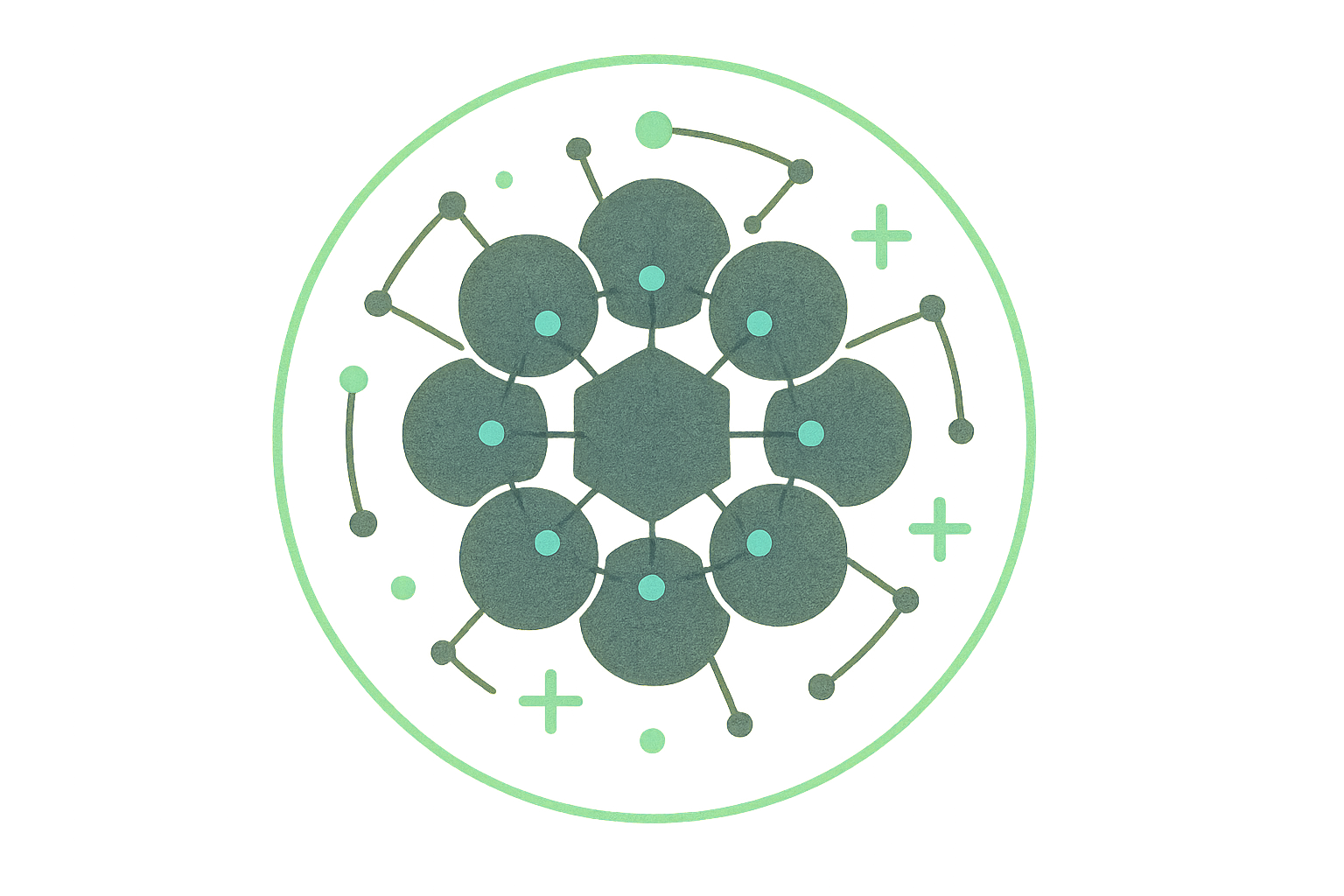
DAG is a data modeling tool used by some cryptocurrencies instead of a blockchain. It's sometimes referred to as a potential "disruptor" in the industry due to its advantages. The DAG architecture uses circles (vertices) to represent activities and lines (edges) to show the order of transaction approval. Unlike blockchain, DAG doesn't gather transactions into blocks but builds them on top of each other, significantly improving transaction speed.
What's the difference between a DAG and a blockchain?
While DAGs and blockchains serve similar roles in the crypto industry, they have distinct differences. DAGs don't create blocks like blockchains do; instead, they build transactions on top of previous ones. Visually, blockchains look like a chain of blocks, while DAGs resemble graphs with circles and lines.
How does DAG technology work?
In a DAG-based system, each transaction (represented by a circle or vertex) is built on top of previous ones. Users must confirm a prior transaction (called a "tip") before submitting their own. This process creates layers of transactions, allowing the system to grow continuously. DAG also includes a mechanism to prevent double-spending by assessing the entire transaction path back to the first transaction.
What is DAG used for?
DAG technology is primarily used for processing transactions more efficiently than blockchain. It offers faster transaction speeds, energy efficiency, and the ability to handle micropayments effectively. DAGs don't require traditional mining, making them more environmentally friendly than proof-of-work blockchains.
Which cryptocurrencies use DAG?
Despite DAG's potential advantages, only a handful of projects currently use this technology. Notable examples include:
- IOTA (MIOTA): Known for fast transaction speeds, scalability, and data integrity.
- Nano: Combines DAG and blockchain technology, offering fast transactions and zero fees.
- BlockDAG: Uses DAGs and offers energy-efficient mining through mobile apps.
DAG pros and cons
DAG technology offers several advantages:
- Speed: Not restricted by block times, allowing faster transaction processing.
- Zero or low fees: Particularly beneficial for microtransactions.
- Energy efficiency: No traditional mining, resulting in a smaller carbon footprint.
- Scalability: No block times mean no long waiting periods.
However, DAG also has some disadvantages:
- Decentralization issues: Some DAG protocols have centralized elements.
- Limited testing at scale: DAG hasn't been as widely adopted as blockchain technology.
The final word
Directed Acyclic Graph technology presents an intriguing alternative to blockchain with potential advantages in speed, fees, and scalability. However, it's still in its early stages and faces challenges such as centralization issues. While DAG shows promise, it has yet to prove it can fully replace blockchain technology. As the cryptocurrency space continues to evolve, it will be interesting to see how DAG technology develops and what new use cases emerge in the coming years.
FAQ
What does DAG stand for?
DAG stands for Directed Acyclic Graph, a data structure used in blockchain technology for faster and more scalable transactions.
What is a DAG slang?
DAG in crypto refers to Directed Acyclic Graph, a data structure used by some blockchain alternatives for faster, more scalable transactions.
What is DAG?
DAG (Directed Acyclic Graph) is a data structure used in cryptocurrencies to improve scalability and transaction speed. It allows for parallel processing of transactions, unlike traditional blockchain.
What does DAG mean in America?
In America, DAG stands for Directed Acyclic Graph, a data structure used in computer science and blockchain technology.

Understanding DAGs: The Backbone of Next-Gen Blockchain Technology

Understanding Directed Acyclic Graphs: Essential Insights for Beginners

Understanding Directed Acyclic Graph (DAG) Basics and Applications
Fundamental Concepts of DAG Technology in Blockchain

Exploring Directed Acyclic Graphs in Blockchain Solutions

Understanding Directed Acyclic Graphs: Essential Concepts and Applications
What is Football.Fun? A Web-Based Football Management Game Focused on Real-World Matches

Daily Hamster Kombat Cipher Code Guide
Best Crypto Casino: Top 5 Bitcoin Casinos Reviewed
Jack Dorsey
Decentralized Science (DeSci): A Simple Guide For Beginners