

Search Token/Wallet
Is Converting USDC to USD Taxable Explained
2026-01-14 20:08
Crypto Tutorial
Stablecoin
USDC
Article Rating : 4.5

22 ratings
This comprehensive guide examines the tax implications of converting USDC to USD, a critical question for cryptocurrency users navigating regulatory compliance. The article clarifies that converting USDC to USD typically generates no taxable event when there is no realized gain or loss, thanks to USDC's stable 1:1 peg with the US dollar. However, specific scenarios—such as acquiring USDC at a discount or premium, or temporary depegging events—may create taxable gains requiring documentation and reporting. The guide explores regulatory frameworks across jurisdictions, operational mechanisms, and best practices for tax compliance, including detailed record-keeping and consultation with tax professionals. Essential for businesses accepting cryptocurrency payments and individual investors using stablecoins as market-neutral holdings.
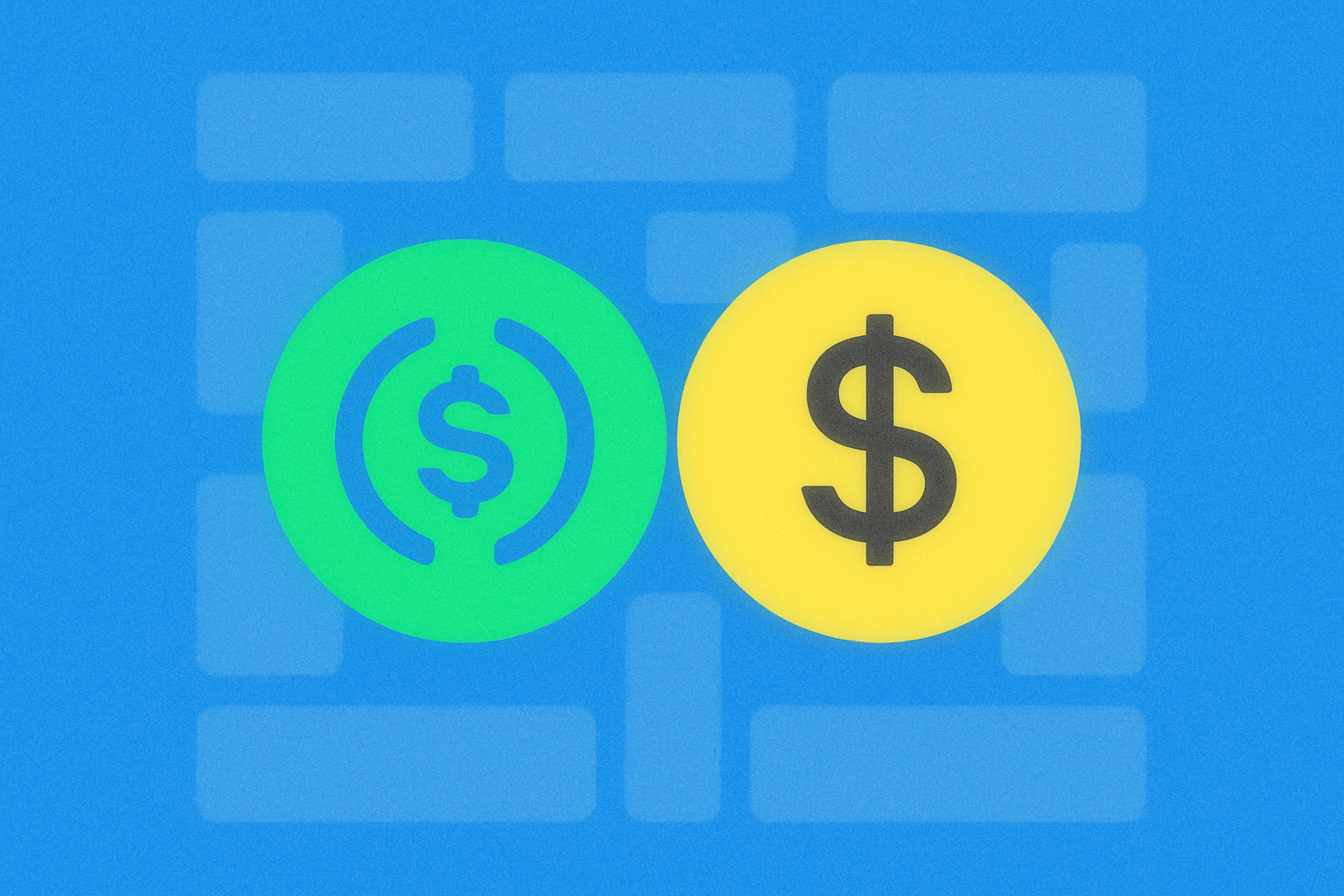
## Concept Introduction
Cryptocurrency adoption has brought unique benefits and complexities, particularly regarding tax obligations. Stablecoins like USDC (USD Coin) have gained substantial popularity for their price stability and seamless conversion to traditional currencies. As investors and traders actively interact with these digital assets, a critical question emerges: **Is converting USDC to USD taxable?**
Understanding the tax consequences of transferring funds between stablecoins and fiat currency is essential for anyone navigating the digital asset ecosystem. This question becomes particularly relevant as stablecoins bridge the gap between traditional finance and the cryptocurrency world. The tax treatment of such conversions can significantly impact investment strategies, business operations, and personal financial planning.
For instance, businesses accepting cryptocurrency payments often convert stablecoins to fiat for operational expenses. Individual investors may use USDC as a temporary holding vehicle during market volatility. In both scenarios, clarity on tax implications is crucial for compliance and financial optimization.
## Historical Background or Origin
When Bitcoin and other cryptocurrencies first appeared in the late 2000s, regulatory bodies worldwide struggled with how to classify and tax these novel digital assets. Over the following years, agencies such as the IRS (United States), HMRC (United Kingdom), and other international tax authorities gradually issued guidance on crypto-related transactions.
With the introduction of stablecoins like USDC—designed to maintain a 1:1 peg with the US dollar—the conversation around cryptocurrency taxation became more nuanced and complex. These assets presented a unique challenge: they functioned like traditional currency but existed on blockchain networks.
Historically, every crypto-to-fiat conversion was viewed as a realization event for tax purposes, meaning potential capital gains or losses needed to be calculated and reported. However, not all stablecoins received equal treatment, and the classification of assets like USDC significantly impacted how and when taxes applied.
Early tax guidance focused primarily on volatile cryptocurrencies like Bitcoin and Ethereum, where price fluctuations created clear taxable events. As more users began treating USDC as a 'digital dollar' for everyday payments, remittances, and business transactions, the question around its direct conversion to fiat currency became increasingly relevant and demanded clearer regulatory guidance.
The evolution of stablecoin regulation reflects broader trends in cryptocurrency adoption, with authorities recognizing the need for differentiated treatment based on asset characteristics and use cases.
## Working Mechanism
To thoroughly analyze whether converting USDC to USD is taxable, it's essential to understand what these conversions entail and how they function within the broader cryptocurrency ecosystem.
**USDC** is a stablecoin fully backed by US dollar reserves or equivalent assets, meaning each token should theoretically be redeemable for exactly $1 USD. This backing mechanism distinguishes it from volatile cryptocurrencies and creates unique tax considerations.
When you convert [USDC](https://web3.gate.com/crypto-wiki/article/understanding-usdc-a-guide-to-stablecoins) to USD, you are essentially redeeming a digital representation of the dollar for actual fiat currency. This process may be executed through various channels:
- Centralized cryptocurrency exchanges
- Peer-to-peer trading platforms
- Wallet services with built-in conversion features
- Direct redemption through issuing entities
### What Constitutes a 'Taxable Event'?
A taxable event generally refers to any transaction where a gain or loss can be realized and must be reported to tax authorities. In the cryptocurrency world, taxable events commonly include:
- **Selling cryptocurrency for fiat currency** (e.g., Bitcoin to USD)
- **Trading one cryptocurrency for another** (e.g., Ethereum to USDC)
- **Using cryptocurrency to purchase goods or services**
- **Receiving cryptocurrency as payment for work or services**
However, redeeming a stablecoin for its fiat equivalent presents a unique scenario. Since USDC is designed to maintain parity with the US dollar, the conversion theoretically involves no price appreciation or depreciation.
### Regulatory Nuances Across Jurisdictions
#### United States Tax Treatment
The IRS classifies cryptocurrencies as property for federal tax purposes, which typically triggers capital gains calculations. However, converting a stablecoin like USDC to USD often results in no significant gain or loss if the 1:1 peg is maintained throughout the holding period.
Key considerations:
- **Generally no taxable event** when 1 USDC is redeemed for exactly $1 USD, as there's no realized gain or loss
- **Potential taxable event** could occur if you acquired USDC at a value different from its redemption price (for example, purchasing USDC for $0.98 during a temporary depeg event, then redeeming for $1.00)
- **Basis tracking** remains important even for stablecoins to accurately calculate any minimal gains or losses
The IRS requires taxpayers to maintain detailed records of acquisition costs, dates, and redemption values for all cryptocurrency transactions, including stablecoin conversions.
#### Other Jurisdictions
Many other countries, including Canada, Australia, and European nations, have implemented similar or slightly varying rules regarding stablecoin taxation. The general pattern across jurisdictions:
- **No tax liability** if no profit is realized (no difference between acquisition and redemption price)
- **Taxable gain** if there is a price differential, even a minimal one, between purchase and redemption
- **Documentation requirements** vary by country but generally emphasize transaction record-keeping
Some jurisdictions treat stablecoins more favorably than volatile cryptocurrencies, recognizing their functional similarity to traditional currency. Others apply uniform cryptocurrency taxation rules regardless of asset volatility.
## Benefits or Advantages
Understanding the tax treatment of converting USDC to USD offers several significant advantages for various stakeholders in the cryptocurrency ecosystem:
### Financial Planning and Predictability
Knowing there's typically no tax liability in straightforward conversion scenarios helps with clean, hassle-free budgeting when using stablecoins for payments or settlements. This predictability allows individuals and businesses to:
- Plan cash flow with greater confidence
- Avoid unexpected tax obligations from routine transactions
- Simplify accounting processes for regular stablecoin usage
### Simplification for Business Operations
Companies accepting USDC as payment can redeem these tokens for USD without complex tax calculations, provided there's no significant price differential. This simplification benefits:
- E-commerce platforms accepting cryptocurrency payments
- International businesses conducting cross-border transactions
- Freelancers and contractors receiving payment in [stablecoins](https://web3.gate.com/blog/16436/best-stablecoins-2026-guide-beyond-usdt-usdc)
Businesses can integrate stablecoin payments into their operations without creating additional tax compliance burdens, making cryptocurrency adoption more attractive.
### Clarity for Long-Term Holders and Investors
Investors can move in and out of stablecoin positions knowing their primary tax exposure arises during volatile crypto conversions, not when cashing out stablecoins to fiat. This clarity enables:
- Strategic portfolio rebalancing without triggering unnecessary tax events
- Use of stablecoins as a temporary safe haven during market volatility
- Simplified tax reporting focused on actual gains from volatile assets
### Practical Example Scenario
Consider this detailed example: You receive $5,000 worth of USDC as payment for freelance graphic design work. Several weeks later, you convert all $5,000 USDC directly to $5,000 USD through your exchange account to pay monthly expenses.
If the exchange rate holds steady and both amounts represent the same value, you generally don't need to worry about capital gains taxes on that specific conversion. However, you must still report the original income (the $5,000 freelance payment) as taxable ordinary income on your tax return.
This example illustrates how stablecoin conversions can be tax-neutral while the underlying economic activity (earning income) remains taxable according to standard rules.
## Conclusion or Future Outlook
Cryptocurrency regulations continue to evolve rapidly worldwide, but clarity around stablecoin taxation has improved significantly with increased global adoption and regulatory attention. For practical purposes, **converting USDC to USD is typically not a taxable event if there is no underlying gain or loss**, thanks to the stable, pegged nature of USDC and its 1:1 relationship with the US dollar.
However, important nuances exist—especially if you acquired your stablecoins at a discount or premium to their peg, or if temporary depegging events occurred during your holding period. These scenarios may create small taxable gains or losses that require reporting.
As governments and regulatory bodies refine their approaches to cryptocurrency taxation, staying current with guidance remains prudent for all market participants. The trend toward clearer stablecoin regulations suggests future frameworks may further differentiate between volatile cryptocurrencies and stable digital assets.
### Best Practices for Compliance
To ensure proper tax compliance:
- **Document every cryptocurrency transaction carefully**, including dates, amounts, and exchange rates
- **Monitor local tax laws and regulatory updates** in your jurisdiction
- **Consult a knowledgeable tax professional or accountant** if you trade in significant amounts or have complex situations
- **Use cryptocurrency tax software** to automate tracking and reporting
- **Maintain detailed records** of stablecoin acquisitions and redemptions
Remember, efficient tax management is as important as smart investment strategy. Let knowledge empower your cryptocurrency journey and keep your finances compliant and future-proof. As the digital asset ecosystem matures, understanding these tax implications positions you for success in both traditional and decentralized financial systems.
## FAQ
### Is Converting USDC to USD Taxable?
Converting USDC to USD typically does not create a taxable event unless you realized a profit. Since USDC is a stablecoin pegged to USD, the conversion usually results in no gain or loss, therefore no tax obligation.
### USDC to USD conversion: How is capital gains tax calculated?
Calculate capital gains tax by finding the difference between your USDC purchase price and sale price when converting to USD. This difference is taxable as capital gains. Tax rates and regulations vary by jurisdiction, so consult local tax requirements for accurate calculation and reporting.
### What are the tax reporting requirements for converting USDC to USD in the United States?
In the United States, converting USDC to USD typically does not require tax reporting unless interest income is involved. Tax authorities focus on potential gains, but direct conversion between USDC and USD generally does not generate taxable income.
### Why is converting USDC to USD potentially taxable even though USDC is a stablecoin?
Converting USDC to USD may trigger taxable events because it represents a disposal of cryptocurrency assets. Tax authorities classify stablecoin conversions as reportable transactions. Even minor price fluctuations or holding period differences can create capital gains obligations requiring tax reporting.
### How to track USDC to USD transactions for tax reporting?
Record each transaction's date, amount, and conversion rate. Report capital gains or losses on Form 8949 and Schedule D. Maintain detailed records of cost basis and fair market value. Consult a tax professional to ensure compliance with reporting requirements.
### What are the differences in tax treatment for USDC to USD conversions across different countries?
Tax treatment varies by country based on local cryptocurrency regulations. The U.S. typically classifies conversions as taxable events requiring capital gains reporting. The EU applies similar frameworks with VAT considerations. Some countries treat stablecoins as currency with minimal tax obligations. Always consult local tax authorities for specific guidance in your jurisdiction.
### What is the tax difference between converting USDC directly to USD and selling USDC through an exchange?
Direct USDC to USD conversion typically generates no taxable event if the values are equal. Selling USDC through exchanges triggers capital gains tax based on the difference between your cost basis and sale price, regardless of exchange used.
### How does USDC holding period affect tax rates when converting to USD?
USDC holding period directly impacts tax rates upon conversion to USD. Holdings exceeding one year qualify for long-term capital gains tax rates, while holdings under one year are subject to short-term capital gains tax rates, which are typically higher.
* The information is not intended to be and does not constitute financial advice or any other recommendation of any sort offered or endorsed by Gate.
Related Articles

Blockchain-Powered Music Royalty Distribution: Avalanche Drives the Digital Transformation
See how Avalanche is transforming music royalty payments with blockchain. Artists receive instant payouts, full transparency, and direct access without intermediaries. Record Finance and Avalanche are reshaping the music industry through innovative Web3 solutions and USDC stablecoins. The future of creative finance begins now.
2025-12-27
A Deep Dive into Solana: Examining Innovative Blockchain Technology and Its Unique Features
Explore Solana's native token SOL and its ecosystem token structure in depth. This article offers a comprehensive overview of SOL's characteristics, token classifications, account management, security best practices, and fraud prevention strategies. You'll also find a guide on how to buy SOL on the Gate platform. This resource is tailored for Web3 investors and blockchain developers who want clear insights into Solana token applications and investment strategies.
2025-12-27

Futures Là Gì? Cách Chơi Futures Cho Người Mới
# Chiến lược giao dịch Futures cho người mới bắt đầu
Bài viết này cung cấp hướng dẫn toàn diện về giao dịch Futures trên Gate - từ khái niệm cơ bản đến chiến lược thực tế cho người mới. Nội dung giải quyết những thách thức chính mà nhà giao dịch mới gặp phải: hiểu rõ các loại Futures (USDT-M, Coin-M), quản lý rủi ro hiệu quả, và tối ưu hóa lợi nhuận với đòn bẩy linh hoạt. Bài viết cung cấp các bước cụ thể từ đăng ký tài khoản, nạp tiền, thiết lập margin, đặt lệnh cho đến quản lý vị thế và phòng chống rủi ro. Với những kinh nghiệm thực tiễn và FAQ chi tiết, bài viết là tài liệu hữu ích cho bất kỳ ai muốn bắt đầu giao dịch Futures trên Gate một cách an toàn và có chiến lược.
2025-12-29

Differences Between USDT-M Futures and Coin-M Futures
# Article Introduction
This comprehensive guide explores USDT-M Futures and Coin-M Futures trading on Gate, two distinct derivative products designed for different investment strategies in Web3. USDT-M Futures offers intuitive profit calculation in stablecoins with hundreds of trading pairs, ideal for traders holding USDT seeking diversified leverage exposure. Coin-M Futures enables cryptocurrency holders to trade using their assets as collateral, maximizing capital efficiency during bull markets while maintaining long-term positions. The article compares key differences including settlement methods, fee structures, and risk profiles, helping traders select the optimal futures product based on their asset holdings, risk tolerance, and investment objectives. Whether you prioritize stable settlement or cryptocurrency-denominated returns, this guide provides actionable insights for navigating Gate's futures markets.
2026-01-01

Exploring Decentralized Finance: Top Crypto Lending Platforms
This article delves into the revolutionary world of decentralized finance by exploring the top crypto lending platforms. It highlights how crypto lending transforms traditional finance through blockchain technology, enabling peer-to-peer transactions without intermediaries. Readers will learn about the types of crypto loans, including overcollateralized loans and margin lending, and the advantages and risks involved, such as competitive interest rates and cryptocurrency volatility. The piece offers a step-by-step guide to obtaining a crypto loan and contrasts crypto lending with staking. Designed for crypto enthusiasts and investors, this comprehensive overview equips readers with insights into a transformative financial innovation.
2025-12-25
What is the global crypto market overview in 2026: market cap rankings, trading volume, and liquidity analysis?
# Global Crypto Market Overview in 2026: Market Cap Rankings, Trading Volume, and Liquidity Analysis
This comprehensive analysis examines the 2026 cryptocurrency landscape, revealing how Bitcoin and Ethereum maintain dominant positions through institutional adoption and regulatory clarity. The article provides essential market intelligence covering multi-trillion-dollar valuations, daily spot trading volumes exceeding $100 billion across major exchanges including Gate, and circulation supply dynamics across 500+ trading platforms. Designed for institutional investors, crypto analysts, and market participants, this guide addresses critical questions about market cap rankings, liquidity infrastructure, and emerging asset distribution across North America, Europe, and Asia. By analyzing stablecoin infrastructure, exchange coverage rates, and trading volume metrics, readers gain actionable insights into 2026's institutional-grade crypto market maturity. The article progresses logically from market dominance asse
2026-01-02
Recommended for You

What is BULLA coin: analyzing whitepaper logic, use cases, and team fundamentals in 2026
BULLA coin introduces decentralized accounting and on-chain data management innovation built on BNB Smart Chain, eliminating intermediaries while ensuring real-time transaction verification. The platform addresses critical gaps in cryptocurrency infrastructure by embedding accounting logic directly into smart contracts, enabling transparent audit trails and regulatory compliance. Real-world applications include seamless transaction imports across multiple exchanges, comprehensive crypto portfolio tracking, and secure record-keeping for investors. Trade import tools enhance user experience by automating data categorization and consolidation. Founded in 2021 by blockchain architect Benjamin with support from experienced fintech designers and engineers, BULLA Networks demonstrates active development momentum with continuous smart contract iterations through early 2026. The 2026-2027 strategic roadmap prioritizes network infrastructure expansion and enhanced security protocols, positioning BULLA as a robust decen
2026-02-08

What is on-chain data analysis and how does it reveal whale movements and active addresses in crypto?
On-chain data analysis reveals cryptocurrency market dynamics by examining active addresses and transaction metrics that expose whale movements and investor behavior. This comprehensive guide explores how blockchain data serves as a critical market indicator, demonstrating the correlation between large holder activities and price movements—such as FLOKI's 950% surge in whale transactions. The article covers whale movement tracking, holder distribution patterns showing 73.47% concentration among major stakeholders, and on-chain fee trends as cycle indicators. Essential metrics include active addresses reflecting genuine network participation, transaction volumes revealing strategic positioning, and network congestion patterns during market cycles. By tracking these interconnected indicators through platforms like Glassnode and Gate, investors and traders can identify market sentiment shifts, anticipate price movements, and distinguish institutional activity from retail participation, making on-chain analysis i
2026-02-08

What is Vodra (VDR) crypto: whitepaper logic, use cases, and fundamentals analysis for 2026
Vodra (VDR) is a decentralized blockchain platform revolutionizing creator economics through AI-powered infrastructure and transparent compensation systems. The project addresses the creator economy's core challenge—unfair intermediary-controlled monetization—by enabling direct audience-to-creator transactions without traditional gatekeepers. VDR's whitepaper establishes a dual-layer architecture combining artificial intelligence for content assistance with blockchain verification for security and transparency. The platform's real-world applications extend from content monetization to DeFi ecosystem integration, real-world asset tokenization, and AI-driven automation by 2026. Founded by former Google engineer Yu Hu with backing from prominent investors like Dragonfly and The Spartan Group, Vodra positions itself at the intersection of Web3 infrastructure and creator empowerment. Key acquisition channels include Gate and other decentralized exchanges, with development roadmaps targeting API standardization, en
2026-02-08

How do cryptocurrency competitors compare in market share, performance, and user adoption in 2026?
This comprehensive analysis examines how major cryptocurrency competitors diverge across market share, performance, and user adoption in 2026. Bitcoin maintains dominance above 60% while institutional investors adopt core-satellite portfolios allocating 60-80% to Bitcoin and 15-25% to Ethereum. Layer-2 solutions command a decisive 40% market share advantage over legacy networks, with Solana leading at 1,133 TPS and driving institutional TVL beyond $50 billion. Regional adoption varies dramatically: Asia-Pacific accelerates at 11.6% CAGR driven by digital transformation, while North America concentrates 75% institutional users. Trading activity concentrates on Gate and leading platforms, with top five cryptocurrencies maintaining 61% combined market share. Understanding these divergent trajectories is essential for investors navigating competitive positioning and institutional capital flows.
2026-02-08

What is on-chain data analysis and how does it predict crypto market trends
This comprehensive guide explores on-chain data analysis as a foundational tool for predicting cryptocurrency market trends. The article examines how blockchain metrics—including active addresses, transaction volume, and network health—reveal genuine market sentiment beyond price action alone. Key sections analyze whale movements as reliable leading indicators of market direction, demonstrating how large holder distribution patterns expose institutional positioning before broader price shifts occur. The guide further demonstrates how gas fee trends and network congestion serve as real-time sentiment gauges across different blockchain architectures. By tracking these on-chain indicators on platforms like Gate, traders can identify market opportunities before mainstream recognition. The article emphasizes that while on-chain analysis provides measurable predictive value through transaction flow analysis and holder behavior patterns, it functions best as a complementary tool alongside other market analysis metho
2026-02-08

How Does VeChain (VET) Community and Ecosystem Activity Compare to Other Layer 1 Cryptocurrencies in 2026?
This comprehensive analysis examines VeChain's community and ecosystem activity relative to competing Layer 1 blockchains in 2026. The article evaluates VeChain's multimillion-follower social infrastructure across Discord and Telegram, extensive developer ecosystem featuring 5,000+ DApps, and robust on-chain metrics with 2.5 million daily active addresses. Key findings highlight VeChain's enterprise-grade differentiation through supply chain solutions, institutional partnerships with Fortune 500 organizations, and proven real-world applications. While VeChain demonstrates lower developer numbers than Ethereum and Solana, its focused positioning in enterprise adoption, regulatory compliance through MiCA alignment, and strategic partnerships with DNV and Boston Consulting Group establish competitive advantages in B2B blockchain adoption, positioning VET as a distinctive Layer 1 leader within enterprise-centric ecosystems.
2026-02-08