

Search Token/Wallet
Secure Your Digital Assets with a Self-managed Wallet Solution
2025-12-22 11:59
Blockchain
Crypto Ecosystem
Crypto Tutorial
Web 3.0
Web3 wallet
Article Rating : 4
39 ratings
This article examines the differences between custodial and non-custodial cryptocurrency wallets, providing insights for protecting digital assets. It guides readers on choosing the right wallet type based on key management preferences and security needs. Non-custodial wallets offer complete asset control, demanding greater personal responsibility for security, while custodial wallets emphasize convenience and user-friendly access through trusted third-party management. Understanding these differences allows readers to align their investment objectives and operational preferences effectively. The article also explains key practices for securing private keys in non-custodial wallets.
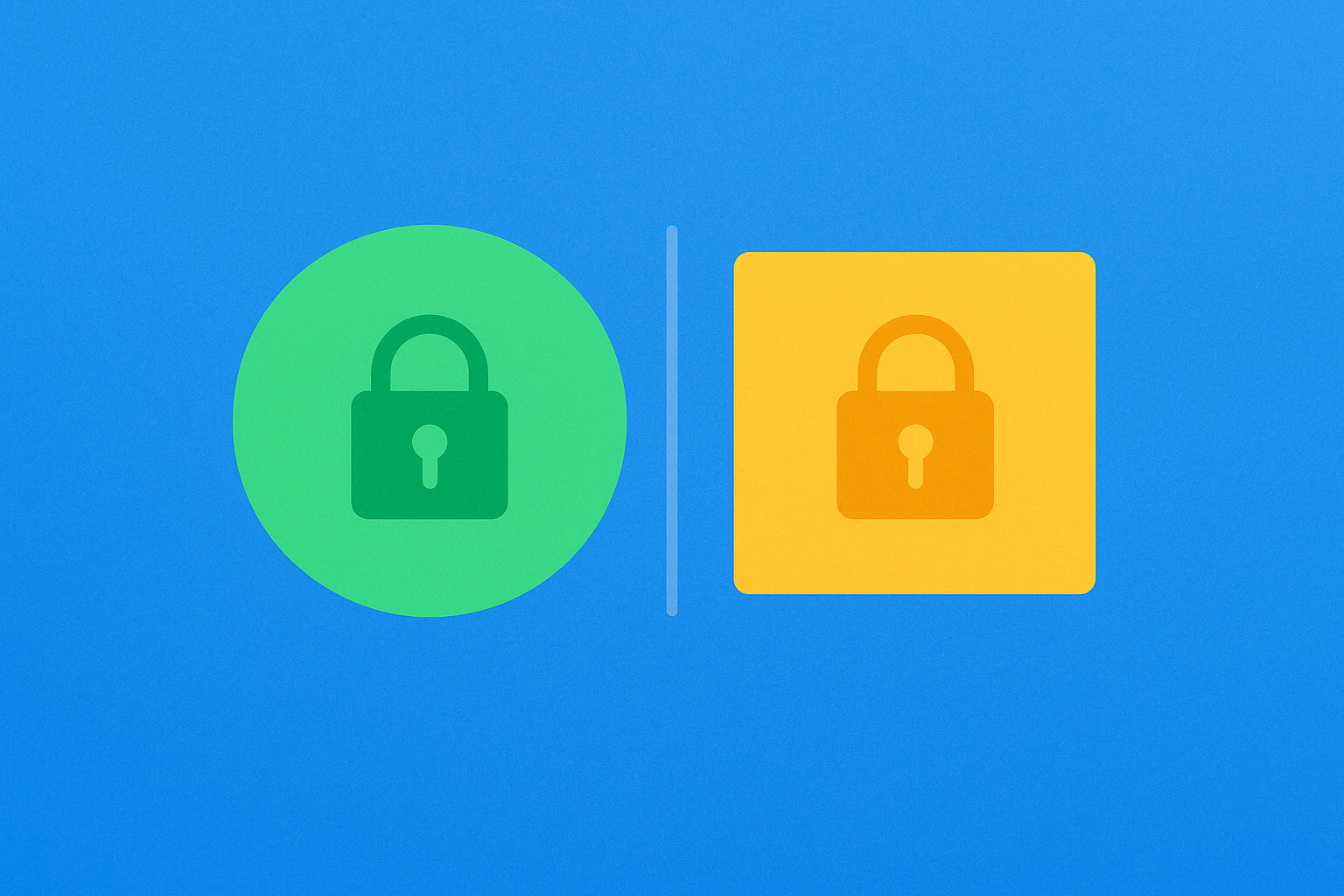
# Custodial vs. Non-Custodial Wallets: Which Should You Use?
When selecting a [cryptocurrency wallet](https://web3.gate.com/en/crypto-wiki/article/understanding-digital-wallets-a-beginner-s-guide-to-secure-web3-transactions-20251215), understanding the fundamental differences between custodial and non-custodial options is essential for protecting your digital assets. Cryptocurrency wallets serve a critical function in the [blockchain](https://web3.gate.com/en/crypto-wiki/article/understanding-blockchain-as-a-revolutionary-distributed-ledger-20251220) ecosystem by securing your funds and ensuring that only authorized individuals can access and transfer your assets. Each wallet type operates on distinct principles regarding key management and control, making it crucial to evaluate which option aligns with your specific needs and risk tolerance.
## What Is a Custodial Crypto Wallet?
A [custodial crypto wallet](https://web3.gate.com/en/crypto-wiki/article/understanding-custodial-and-non-custodial-crypto-wallets-20251220) is a type of [cryptocurrency storage](https://web3.gate.com/en/crypto-wiki/article/secure-solutions-for-cryptocurrency-storage-20251211) solution in which a third-party entity maintains control over the private keys associated with your account. Rather than managing cryptographic keys independently, users of custodial wallets can send and receive [cryptocurrency payments](https://web3.gate.com/en/crypto-wiki/article/revolutionize-your-purchase-with-digital-currency-payments-20251127) while delegating full key management responsibilities to the custodian. This arrangement represents a departure from the "[self-custody](https://web3.gate.com/en/crypto-wiki/article/understanding-custodial-and-non-custodial-crypto-wallets-20251220)" principle that originally defined cryptocurrency ownership.
Custodial wallets are widely implemented by various cryptocurrency platforms and financial service providers. When you deposit funds into a custodial wallet, you are essentially transferring wallet management responsibilities to the custodian organization. The custodian assumes multiple critical functions including transaction processing, private key storage, and fund security. In exchange for this delegated responsibility, users typically enjoy simplified account access—requiring only a single password or [recovery phrase](https://web3.gate.com/en/crypto-wiki/article/recover-your-crypto-recovery-phrase-a-practical-guide-20251220) to manage their holdings, rather than managing complex cryptographic key pairs.
The custodial model offers practical advantages for users seeking convenience and simplified onboarding. However, it requires placing significant trust in the custodial institution's security infrastructure and operational integrity.
## Conclusion
Understanding custodial wallet architecture provides essential context for making informed cryptocurrency storage decisions. When evaluating non-custodial wallet options alongside custodial solutions, consider that non-custodial wallets empower users with complete control over their private keys and assets, representing a decentralized approach to key management. Custodial solutions, by contrast, prioritize accessibility and user-friendliness, positioning them as an important option within the broader cryptocurrency wallet ecosystem. When evaluating wallet solutions, carefully consider how both custodial and non-custodial arrangements align with your investment objectives, security requirements, and operational preferences.
## FAQ
### What are non-custodial wallets?
Non-custodial wallets give you full control of your cryptocurrencies by holding your own private keys. You manage your funds directly without relying on third parties, accessing them from any device with internet connection.
### What is the difference between custodial and non-custodial wallets?
Custodial wallets are managed by third parties who hold your private keys, while non-custodial wallets give you full control over your private keys. Non-custodial wallets offer greater security and true asset ownership, but require personal responsibility for key management.
### How do I secure my [private keys](https://web3.gate.com/en/crypto-wiki/article/understanding-the-basics-of-private-keys-in-cryptocurrency-20251206) in a non-custodial wallet?
Use a [hardware wallet](https://web3.gate.com/en/blog/13777/what-is-hardware-wallet-ultimate-guardian-crypto-security) to store private keys offline, protecting against online attacks. Never share your recovery phrase. Keep your device in a secure location and regularly update firmware for enhanced protection.
### What are the risks of using a [non-custodial wallet](https://web3.gate.com/en/crypto-wiki/article/understanding-non-custodial-wallets-a-beginner-s-guide-20251117)?
Using a non-custodial wallet means you control your private keys and bear full security responsibility. Key risks include losing fund access if private keys are lost or stolen, and no third-party recovery options if compromised. You must manage security personally.
* The information is not intended to be and does not constitute financial advice or any other recommendation of any sort offered or endorsed by Gate.
Related Articles

Understanding FOMO in Crypto and Transforming It into Weekly Opportunities
The article explores the psychological impact of FOMO (Fear of Missing Out) in the crypto market, emphasizing its influence on investor behavior and decision-making. It highlights how FOMO can lead to impulsive trading decisions but also suggests that, when approached wisely, it can be transformed into opportunities like FOMO Thursdays – a reward-based engagement strategy. The piece addresses issues like emotional trading traps and distinguishes between FOMO and DYOR (Do Your Own Research), promoting informed investment practices. With a focus on Web3 innovations, the article targets crypto investors aiming to mitigate risks while maximizing engagement and rewards.
2025-12-19

Understanding Web3 Wallets: A Comprehensive Guide
This article provides a comprehensive guide to understanding Web3 wallets, highlighting their significance in securely managing and trading digital assets. It delves into the infrastructure of these wallets, their compatibility with decentralized applications, and their empowerment of users through non-custodial control. Targeted at cryptocurrency traders and investors, the article addresses the need for secure storage solutions and explores the variety of Web3 wallets available, including hardware and software options. It also discusses Web3's advanced internet framework, security features, and benefits, making it essential reading for anyone navigating the decentralized digital economy.
2025-12-22

Understanding Crypto Airdrops: A Beginner's Guide
Understanding Crypto Airdrops: A Beginner's Guide uncovers the essentials of cryptocurrency airdrops—an innovative token distribution method for blockchain projects. This guide explains their strategic purposes, types, and benefits for both projects and participants. Key topics include how airdrops function, participation tips, risks, examples, and future trends. Designed for newcomers to the crypto space, it offers insights into maximizing airdrop opportunities and emphasizes careful engagement. The evolving nature of crypto airdrops underscores their role in community building within the blockchain ecosystem.
2025-12-20

Understanding Multi Signature Wallets Explained
This article explains the concept and functionality of multisig wallets, which enhance security and collaborative control over digital assets. It addresses the differences between custodial and self-custodial multisig wallets, outlines the process of creating one, and discusses their pros and cons. Additionally, it lists popular multisig wallet options, tailored for crypto users in group settings or seeking heightened security measures. Ideal for individuals and organizations aiming to safeguard assets, the article guides readers in understanding and applying multisig wallet solutions while navigating potential risks and setup complexities.
2025-11-04
A Deep Dive into Solana: Examining Innovative Blockchain Technology and Its Unique Features
Explore Solana's native token SOL and its ecosystem token structure in depth. This article offers a comprehensive overview of SOL's characteristics, token classifications, account management, security best practices, and fraud prevention strategies. You'll also find a guide on how to buy SOL on the Gate platform. This resource is tailored for Web3 investors and blockchain developers who want clear insights into Solana token applications and investment strategies.
2025-12-27

The FOMO Effect in Cryptocurrency and Its Impact
Explore the dynamics of FOMO in cryptocurrency as we offer valuable insights designed to help beginner and intermediate investors enhance their grasp of Web3 and blockchain technology. This article thoroughly examines emotional investment behavior and its countermeasures, clarifies what FOMO Coin really is, and details approaches for earning rewards. Discover how to navigate FOMO and implement prudent investment strategies.
2025-12-26
Recommended for You

What is BULLA coin: analyzing whitepaper logic, use cases, and team fundamentals in 2026
BULLA coin introduces decentralized accounting and on-chain data management innovation built on BNB Smart Chain, eliminating intermediaries while ensuring real-time transaction verification. The platform addresses critical gaps in cryptocurrency infrastructure by embedding accounting logic directly into smart contracts, enabling transparent audit trails and regulatory compliance. Real-world applications include seamless transaction imports across multiple exchanges, comprehensive crypto portfolio tracking, and secure record-keeping for investors. Trade import tools enhance user experience by automating data categorization and consolidation. Founded in 2021 by blockchain architect Benjamin with support from experienced fintech designers and engineers, BULLA Networks demonstrates active development momentum with continuous smart contract iterations through early 2026. The 2026-2027 strategic roadmap prioritizes network infrastructure expansion and enhanced security protocols, positioning BULLA as a robust decen
2026-02-08

What is on-chain data analysis and how does it reveal whale movements and active addresses in crypto?
On-chain data analysis reveals cryptocurrency market dynamics by examining active addresses and transaction metrics that expose whale movements and investor behavior. This comprehensive guide explores how blockchain data serves as a critical market indicator, demonstrating the correlation between large holder activities and price movements—such as FLOKI's 950% surge in whale transactions. The article covers whale movement tracking, holder distribution patterns showing 73.47% concentration among major stakeholders, and on-chain fee trends as cycle indicators. Essential metrics include active addresses reflecting genuine network participation, transaction volumes revealing strategic positioning, and network congestion patterns during market cycles. By tracking these interconnected indicators through platforms like Glassnode and Gate, investors and traders can identify market sentiment shifts, anticipate price movements, and distinguish institutional activity from retail participation, making on-chain analysis i
2026-02-08

What is Vodra (VDR) crypto: whitepaper logic, use cases, and fundamentals analysis for 2026
Vodra (VDR) is a decentralized blockchain platform revolutionizing creator economics through AI-powered infrastructure and transparent compensation systems. The project addresses the creator economy's core challenge—unfair intermediary-controlled monetization—by enabling direct audience-to-creator transactions without traditional gatekeepers. VDR's whitepaper establishes a dual-layer architecture combining artificial intelligence for content assistance with blockchain verification for security and transparency. The platform's real-world applications extend from content monetization to DeFi ecosystem integration, real-world asset tokenization, and AI-driven automation by 2026. Founded by former Google engineer Yu Hu with backing from prominent investors like Dragonfly and The Spartan Group, Vodra positions itself at the intersection of Web3 infrastructure and creator empowerment. Key acquisition channels include Gate and other decentralized exchanges, with development roadmaps targeting API standardization, en
2026-02-08

How do cryptocurrency competitors compare in market share, performance, and user adoption in 2026?
This comprehensive analysis examines how major cryptocurrency competitors diverge across market share, performance, and user adoption in 2026. Bitcoin maintains dominance above 60% while institutional investors adopt core-satellite portfolios allocating 60-80% to Bitcoin and 15-25% to Ethereum. Layer-2 solutions command a decisive 40% market share advantage over legacy networks, with Solana leading at 1,133 TPS and driving institutional TVL beyond $50 billion. Regional adoption varies dramatically: Asia-Pacific accelerates at 11.6% CAGR driven by digital transformation, while North America concentrates 75% institutional users. Trading activity concentrates on Gate and leading platforms, with top five cryptocurrencies maintaining 61% combined market share. Understanding these divergent trajectories is essential for investors navigating competitive positioning and institutional capital flows.
2026-02-08

What is on-chain data analysis and how does it predict crypto market trends
This comprehensive guide explores on-chain data analysis as a foundational tool for predicting cryptocurrency market trends. The article examines how blockchain metrics—including active addresses, transaction volume, and network health—reveal genuine market sentiment beyond price action alone. Key sections analyze whale movements as reliable leading indicators of market direction, demonstrating how large holder distribution patterns expose institutional positioning before broader price shifts occur. The guide further demonstrates how gas fee trends and network congestion serve as real-time sentiment gauges across different blockchain architectures. By tracking these on-chain indicators on platforms like Gate, traders can identify market opportunities before mainstream recognition. The article emphasizes that while on-chain analysis provides measurable predictive value through transaction flow analysis and holder behavior patterns, it functions best as a complementary tool alongside other market analysis metho
2026-02-08

How Does VeChain (VET) Community and Ecosystem Activity Compare to Other Layer 1 Cryptocurrencies in 2026?
This comprehensive analysis examines VeChain's community and ecosystem activity relative to competing Layer 1 blockchains in 2026. The article evaluates VeChain's multimillion-follower social infrastructure across Discord and Telegram, extensive developer ecosystem featuring 5,000+ DApps, and robust on-chain metrics with 2.5 million daily active addresses. Key findings highlight VeChain's enterprise-grade differentiation through supply chain solutions, institutional partnerships with Fortune 500 organizations, and proven real-world applications. While VeChain demonstrates lower developer numbers than Ethereum and Solana, its focused positioning in enterprise adoption, regulatory compliance through MiCA alignment, and strategic partnerships with DNV and Boston Consulting Group establish competitive advantages in B2B blockchain adoption, positioning VET as a distinctive Layer 1 leader within enterprise-centric ecosystems.
2026-02-08