

What is blockchain technology, and how does it function?

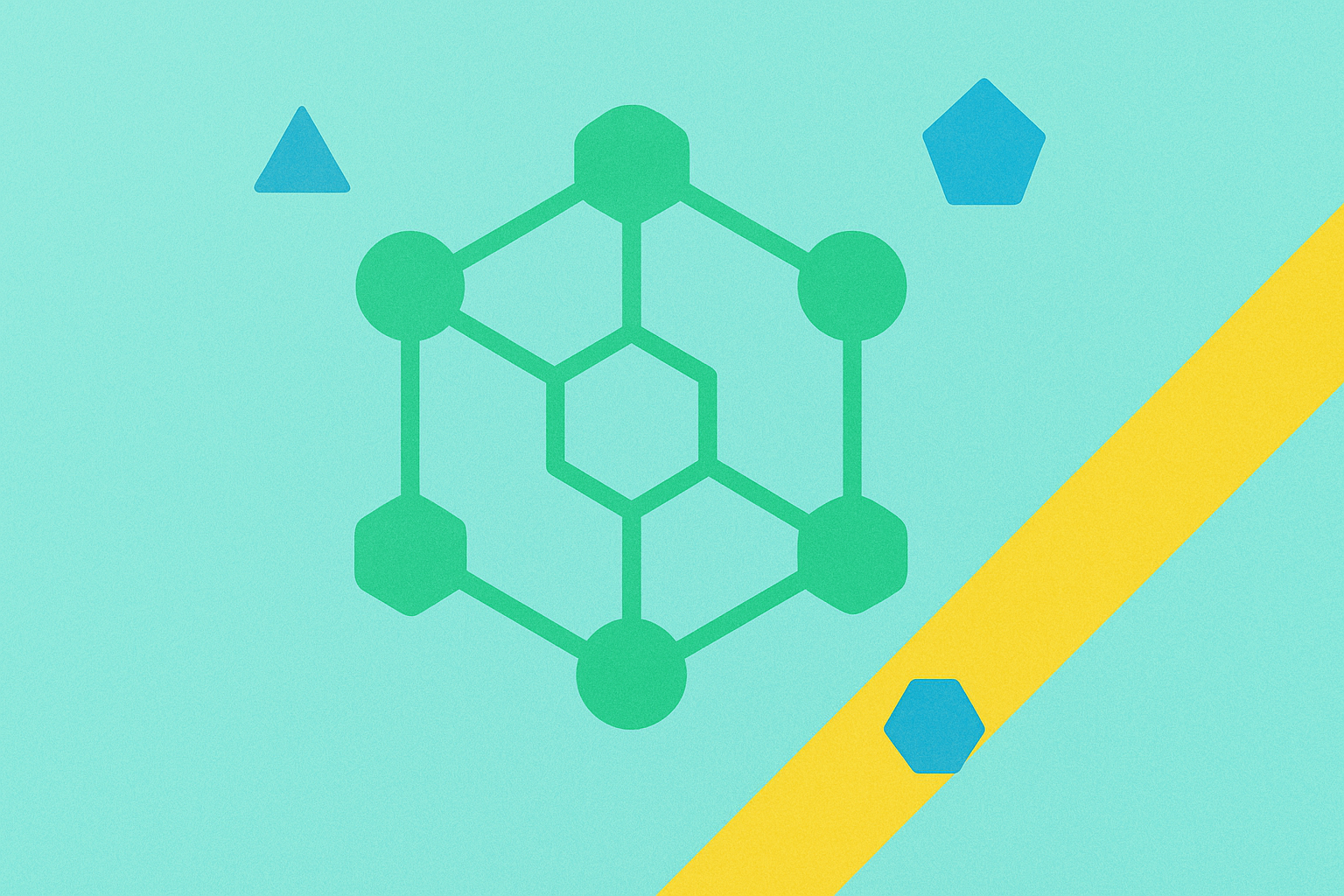
What Is Blockchain? A Beginner’s Guide on How It Works and Real-World Uses
In a fast-changing digital world, blockchain technology has become one of the most revolutionary innovations since the internet itself. It is transforming how we build trust, process transactions, and store information online.
What Is Blockchain?
Blockchain is a secure digital ledger that’s visible to everyone but cannot be changed by anyone. Instead of a single person or company tracking information, copies of the ledger are stored on many computers, making the system extremely difficult to hack or manipulate. This technology enables trust between parties who don’t know each other—without the need for banks or government agencies as intermediaries.
Blockchain is a decentralized digital record that logs transactions across a computer network. Picture it as a special kind of database where data lives in blocks, which are linked together in a chain. Unlike traditional databases controlled by one entity, blockchain distributes identical copies of the ledger across multiple networked computers (called nodes).
Blockchain technology groups transactions into blocks, which are then cryptographically linked to the previous blocks, creating a continuous data chain. Each block contains transaction records, a timestamp, and a unique cryptographic code called a hash that connects it to the prior block. Once information is written into a block and added to the chain, it’s nearly impossible to alter or remove without changing every subsequent block and reaching consensus among most of the network.
The breakthrough of blockchain is its ability to enable secure, transparent transactions without a third-party validator, such as a bank or government body. Trust is built into the technology itself, eliminating the need for intermediaries.
Blockchain History and Evolution
Blockchain’s story began with the publication of the first cryptocurrency white paper in 2008 by an anonymous individual or group known as Satoshi Nakamoto. This document introduced the idea of a peer-to-peer electronic cash system that doesn’t rely on financial intermediaries.
The blockchain’s major milestone happened on January 3, 2009, with the mining of the first block—the genesis block—of the original cryptocurrency’s chain. This block included a message referencing the financial crisis, tying the birth of cryptocurrency to a critique of the financial system.
Blockchain evolved further with the launch of a smart contract platform, which officially started in July 2015 when its first block was mined. Programmable smart contracts expanded blockchain’s use beyond basic transfers to support complex applications.
In 2016, the Republic of Georgia became the first government to adopt blockchain for a public land registry. Over time, blockchain transformed from a niche technology into a global phenomenon with growing mainstream adoption.
How Does Blockchain Work?
Imagine a digital ledger duplicated thousands of times across a computer network. This network continually updates and reconciles all copies, ensuring they all match.
Blockchain combines distributed databases, cryptography, and consensus mechanisms. It forms a chain of data blocks, each new block mathematically linked to the previous one. The longer the chain, the more secure it becomes.
The process works in several steps. First, when someone initiates a transaction, it is broadcast to a network of computers (nodes) for validation. Network participants then verify the transaction using recognized algorithms to confirm it’s legitimate.
Next, a block of validated transactions is created. Each block includes multiple transactions, a timestamp, and a link to the preceding block. The new block is cryptographically joined to the existing chain through a process that requires network consensus. Different blockchain networks use various consensus models, such as Proof of Work or Proof of Stake.
Once added to the blockchain, information is permanent and extremely hard to change, since altering any block would require changing all subsequent blocks and getting majority network approval. This ensures a transparent, chronological record that’s highly secure and tamper-resistant—ideal for sensitive data and transaction logs.
Types of Blockchain Networks
Blockchain networks come in several forms, each designed for specific needs and with different levels of access and control. Understanding these types highlights blockchain’s flexibility.
Public Blockchains
Public blockchains are open to anyone. The most recognized cryptocurrency platforms use public blockchains. These permissionless networks allow anyone to access, send transactions, and help maintain the ledger by joining the consensus process. Public blockchains prioritize decentralization and security, though they may trade off some speed and efficiency.
Private Blockchains
Private blockchains limit access to a defined group. Unlike public blockchains, a single organization controls who joins and what they can do. These networks offer greater privacy and efficiency but are more centralized. Private blockchains are often adopted by enterprises for internal record-keeping and process management.
Permissioned Blockchains
Permissioned blockchains combine elements of public and private networks. Anyone can view the blockchain, but only authorized users can add new blocks. This model is suitable for cases needing both transparency and controlled participation, such as healthcare or government use.
Consortium Blockchains
Consortium blockchains are managed by a group of organizations, not a single entity. These pre-approved members collectively maintain the blockchain and decide on access rights. Sectors with multiple stakeholders—like banking or supply chains—often use consortium blockchains to foster collaboration while retaining control.
Each blockchain network type offers a distinct mix of decentralization, efficiency, privacy, and control, allowing organizations to choose the best fit for their needs.
Major Blockchain Platforms
The blockchain ecosystem now features many platforms, each with distinct strengths and use cases.
The First Cryptocurrency Network
The first cryptocurrency network was the original blockchain and remains the most prominent. Launched in 2009, it serves mainly as a peer-to-peer electronic payment system. It introduced the decentralized ledger concept and holds the largest market capitalization among digital assets.
Smart Contract Platform
Launched in 2015, the smart contract platform revolutionized blockchain by enabling programmable smart contracts. Unlike the first network’s currency focus, this platform supports developing decentralized applications (dApps) and executing automated agreements.
Solana Blockchain
Solana blockchain is known for fast transaction processing and low fees. It can handle thousands of transactions per second, making it ideal for high-throughput applications like trading platforms and gaming.
Polygon Blockchain
Polygon blockchain acts as a Layer 2 scaling solution for the main smart contract platform, reducing congestion and high gas costs. Polygon enables faster, cheaper transactions while staying compatible with the core ecosystem.
Cardano Blockchain
Cardano blockchain uses a research-first approach with peer-reviewed development and formal verification. Its goal is to balance security, scalability, and sustainability.
Other Significant Platforms
TON Blockchain (The Open Network) is recognized for its integration with major messaging platforms. Tron blockchain focuses on content sharing and entertainment. Base blockchain is a Layer 2 solution for the main smart contract platform. Sui blockchain is designed for asset-oriented applications with high transaction performance.
Key Features and Benefits of Blockchain
Blockchain technology delivers several unique benefits that make it valuable for a range of industries and applications.
Enhanced Security
Blockchain uses advanced cryptography to secure data. Its decentralized design means there’s no single point of failure for hackers to exploit. Each transaction is encrypted and linked to the one before it, forming a highly secure information chain. This makes blockchain especially useful for sensitive data and financial transactions.
Transparency and Traceability
Every blockchain transaction is recorded in a distributed ledger shared across the network. This creates an immutable audit trail, making transactions easy to track and verify. For instance, in supply chains, blockchain can trace products from manufacturer to consumer, ensuring authenticity and reducing fraud.
Greater Efficiency and Cost Savings
By eliminating intermediaries and automating processes with smart contracts (self-executing agreements on blockchain), transactions are faster and involve less administrative overhead. This streamlining is especially evident in cross-border transactions, which are typically slow and costly under traditional systems.
Trust Without Intermediaries
Perhaps blockchain’s most disruptive feature is its ability to create trust between strangers, without a central institution. Consensus mechanisms that validate transactions ensure confidence in blockchain data, removing the need for third-party validators like banks, lawyers, or government agencies.
Data Integrity
Once written to the blockchain, data can’t be easily changed or erased. This immutability guarantees accuracy and reliability over time, which is crucial for storing key documents, contracts, and transaction histories.
Together, these features make blockchain a secure, efficient, and transparent system for recording and verifying nearly any kind of transaction or information exchange.
Blockchain vs. Digital Assets
Many confuse blockchain with digital assets, but the distinction is critical. Blockchain is the foundational technology enabling digital assets to exist, while digital assets are just one use case for blockchain.
Blockchain is a distributed ledger system that securely records transactions across a decentralized network. It’s a specialized database structure that serves many purposes beyond digital currencies. Think of blockchain as the internet—an underlying platform for countless applications.
Digital assets are virtual items that use cryptography for security and run on blockchain networks. The first blockchain-based digital asset was intended to demonstrate blockchain’s potential as a decentralized payment system. Many other digital assets have since been created, each with its own features and intended uses.
In summary: blockchain is the technology; digital assets are products built on it. As one expert put it, “Blockchain is to digital assets what the internet is to email. It’s the broad platform where many solutions are built. Digital assets are just one application.”
Beyond digital assets, blockchain powers many other applications—from supply chain management to voting systems and digital identity verification. Smart contract platforms introduced programmable contracts, enabling advanced use cases beyond simple value transfers. Smart contracts are self-executing agreements with terms written directly in code. They automatically enforce agreements when preset conditions are met, removing intermediaries from many business processes.
Real-World Blockchain Applications
Blockchain has grown far beyond digital assets, finding practical uses across a range of industries.
Finance and Banking
Banks and financial institutions are turning to blockchain for improved settlement systems, faster transaction verification, and lower costs. By removing intermediaries, they can process international payments in minutes instead of days, and boost efficiency in trade finance, securities trading, and loan processing.
Supply Chain Management
Companies use blockchain to track products from source to consumer, delivering unprecedented visibility across the supply chain. This allows them to verify the ethical origin of goods, spot inefficiencies, and quickly trace contaminated food in outbreaks.
Healthcare
Blockchain protects patient data while making it easier for providers to share records. It upholds privacy while ensuring access to crucial health information. The technology also tracks pharmaceutical supply chains, helping verify medication authenticity and reduce counterfeiting.
Real Estate
Real estate deals involve heavy paperwork, third-party verification, and public records. Blockchain streamlines the process by securely storing property data, verifying ownership, reducing fraud, and speeding up title transfers—saving time and money.
Voting Systems
Blockchain-based electronic voting can increase security, prevent fraud, and potentially boost turnout. Each vote is a transaction, creating a tamper-proof record that protects election integrity.
Identity Management
Blockchain enables secure, self-sovereign digital identities controlled by individuals. This is vital for millions worldwide who lack formal IDs, providing access to financial and essential services.
These examples show blockchain’s value beyond digital assets and explain why industries are investing in this technology to solve persistent challenges.
Blockchain Technology Challenges
Despite its promise, blockchain faces several major obstacles to widespread adoption.
Scalability Issues
Most blockchains process transactions far slower than traditional payment networks. For example, the first cryptocurrency network handles about seven transactions per second, while Visa can do up to 65,000. This gap is a major barrier for high-volume applications.
Energy Consumption
Proof-of-Work consensus uses enormous computing power, driving up energy use. This environmental impact has raised sustainability concerns, though new models like Proof-of-Stake are much more efficient.
Regulatory Uncertainty
As blockchain adoption grows, governments worldwide are working out how to regulate it. The lack of clear rules creates uncertainty for businesses and investors. Regulations vary widely by jurisdiction, complicating compliance for global blockchain projects.
Technical Complexity
Blockchain remains hard to understand and use for most people. Technical know-how is a barrier, especially for small businesses or users without specialized skills. User-friendly interfaces and simpler implementations are needed for mainstream adoption.
Integration Problems
Deploying blockchain usually requires substantial changes to existing systems and processes. Integrating it with legacy systems while keeping operations running can be a significant challenge for established organizations.
Interoperability
Many blockchain networks can’t easily communicate with each other. This lack of standardization and interoperability limits blockchain’s effectiveness and prevents a unified blockchain ecosystem. blockchain.
Addressing these issues requires ongoing innovation, collaboration among key stakeholders, and thoughtful regulation. New solutions are emerging to tackle scalability, energy use, and usability challenges.
The Future of Blockchain Technology
Blockchain’s future is bright, with ongoing innovation overcoming current limits and expanding its use cases.
Greater Interoperability
New projects aim to connect various blockchains so they can exchange data seamlessly. This will let blockchains work together rather than remain isolated, greatly increasing their usefulness and reach.
Integration With Other Technologies
Combining blockchain with artificial intelligence, the Internet of Things (IoT), and machine learning creates new opportunities. In supply chains, for example, blockchain provides traceability, while AI optimizes logistics. This convergence unlocks possibilities that single technologies alone can’t deliver.
Scalability Solutions
Innovative approaches are being developed to boost transaction speed and reduce network congestion. These improvements will help blockchain serve high-volume applications like global payments.
Enterprise Adoption
Major companies are moving from blockchain pilots to full-scale rollouts. In the coming years, blockchain will add significant value in finance, healthcare, manufacturing, retail, and more.
Regulatory Evolution
As blockchain matures, clearer regulations are emerging worldwide. This clarity will accelerate adoption by giving businesses the confidence to make large investments in blockchain infrastructure.
Sustainability Focus
Environmental concerns are driving a shift to more energy-efficient consensus methods, with many new blockchains opting for Proof-of-Stake over energy-intensive Proof-of-Work. This addresses one of blockchain’s biggest criticisms.
While it’s hard to predict exactly how blockchain will evolve, it has moved beyond the hype and is now focused on practical value. As technical limits are addressed and new use cases develop, blockchain is set to become as vital to business as the internet is today.
Conclusion
Blockchain technology is one of the most important innovations of our era, reinventing how we establish trust in the digital age. From its roots as the foundation for digital assets to its expansion into finance, supply chains, healthcare, and more, blockchain’s security, transparency, and efficiency are changing the way we record and verify data.
Blockchain solves a longstanding challenge: enabling trust and secure transactions without a trusted third party. Combined with immutable records and system transparency, this makes blockchain game-changing for business and society.
Despite hurdles like scalability and energy use, blockchain innovation continues to break down barriers. New scaling solutions, more efficient consensus models, and integration with advanced technologies will further broaden blockchain’s impact.
Understanding blockchain is crucial in the digital age. Whether you want to invest in digital assets, build a career in the field, or simply grasp blockchain’s influence across industries, this guide gives you valuable insights into the future of digital transactions and decentralized systems.
FAQ
What is blockchain in simple terms?
Blockchain is a distributed ledger technology where data is stored in connected blocks. Each entry is protected by cryptography and cannot be changed. This ensures transparency, security, and reliability for all transactions—no middlemen required.
What’s the difference between blockchain and cryptocurrency?
Blockchain is a distributed ledger for storing data; cryptocurrency is a digital asset that operates on a blockchain. Blockchain has many uses, while cryptocurrency is just one application.
What are some practical blockchain applications beyond cryptocurrencies?
Blockchain is used in supply chain tracking, medical record storage, voting systems, real estate registration, intellectual property, and government services to boost transparency and security.
How secure is blockchain, and can it be hacked?
Blockchain uses cryptography and a distributed structure, making it extremely secure. Hacking a blockchain is virtually impossible, as it would require controlling most of the network’s nodes at once—an unrealistic cost.

Top Decentralized Exchange Aggregators for Optimal Trading

Understanding FOMO in Crypto and Transforming It into Weekly Opportunities
Understanding Web3 Wallets: A Comprehensive Guide
Understanding Governance Tokens: A Comprehensive Guide
Complete Guide to Blockchain Gas Fees in Web3
Blockchain-Powered Music Royalty Distribution: Avalanche Drives the Digital Transformation

What is BULLA coin: analyzing whitepaper logic, use cases, and team fundamentals in 2026

What is on-chain data analysis and how does it reveal whale movements and active addresses in crypto?

What is Vodra (VDR) crypto: whitepaper logic, use cases, and fundamentals analysis for 2026

How do cryptocurrency competitors compare in market share, performance, and user adoption in 2026?

What is on-chain data analysis and how does it predict crypto market trends
