

Search Token/Wallet
Gate Wiki Topics
Topics
Bitcoin
Ethereum
XRP
Tether
Solana
BNB
Doge
ADA
USDC
TRON
Shiba Inu
Toncoin
Memecoins
AI
RWA
Gaming
DePIN
Altcoins
Blockchain
DeFi
GameFi
Metaverse Crypto
NFTs
Trading Fee
P2P Trading
Stablecoin
Crypto Insights
Investing In Crypto
Crypto staking
Spot Trading
Web 3.0
Crypto Trading
New Cryptocurrencies
Crypto Tutorial
Trading Bots
BRC-20
DAO
Macro Trends
SocialFi
Liquid Staking
Zero-Knowledge Proof
Airdrop
Crypto Ecosystem
Layer 2
Payments
Mining
How to buy crypto
Web3 wallet
Crypto glossary
ETF
Futures Trading
Crypto Loans
Crypto Deposit
Crypto Withdrawal
Bitcoin Halving
Cryptocurrency market
Grid Bot
Inscriptions
K-line
Telegram Mini App
P2E
Cosmos
PoW
Top crypto
Pre-Market
Price Prediction
DAO
A decentralized autonomous organization (DAO) is a blockchain governance system developed to distribute decision-making, management, and entity ownership.

Exploring Decentralized Identity Verification in Web3: A Complete Guide
Exploring Decentralized Identity Verification in Web3 offers a comprehensive guide to addressing modern identity verification challenges in an AI-driven world. The article highlights the vulnerabilities in traditional KYC methods and presents decentralized identity as a viable solution. Key systems such as World ID, Gitcoin Passport, Proof of Humanity, and Civic Pass are examined for enhancing security and privacy. Readers will learn about the necessity for standardization to ensure interoperability across platforms. This guide is essential for individuals, institutions, and businesses seeking secure and trusted digital identity verification.
2026-11-04

How Does ICP's Tokenomics Model Work in 2025?
The article provides an in-depth analysis of ICP's tokenomics model as it stands in 2025, emphasizing the distribution and inflation-deflation mechanisms that drive value and governance. It explores ICP's strategic allocation to foundational entities, balancing reward incentives and deflationary burn processes to ensure long-term network sustainability. Key topics include the role of the Network Nervous System in decentralized governance, enhancing token utility and ensuring stakeholder alignment within the Internet Computer ecosystem. This comprehensive guide is ideal for blockchain enthusiasts and ICP investors keen on understanding token dynamics and governance intricacies.
2026-11-04

Top NFT Avatar Collections You'll Love
Discover the allure of "Top NFT Avatar Collections You'll Love" through a deep dive into the mfers collection, a decentralized, hand-drawn profile picture series embodying the "poor man's Punks" ethos. This article outlines mfers' market impact, highlighting its success as a major player in the NFT space with remarkable trading volumes. It explores the unique decentralized community structure, CC0 licensing, and organic cultural movement its community fosters. Tailored for NFT enthusiasts and those interested in decentralized projects, this piece elucidates how mfers challenges traditional NFT paradigms and champions grassroots creativity.
2026-11-04

Revolutionizing Risk Coverage with DeFi Insurance Solutions
The article explores how DeFi insurance solutions are transforming risk management in the cryptocurrency sector, addressing the lack of protection in the DeFi ecosystem. Key topics include the operational model of DeFi insurance using smart contracts, the benefits of lower costs, transparency, and 24/7 accessibility, and challenges like limited coverage options and smart contract vulnerabilities. It targets crypto users seeking risk coverage and builds trust in DeFi platforms. By examining the distinct advantages over traditional insurance, the article highlights the potential for DeFi insurance to become a foundational element of Web3, enhancing security and confidence in decentralized finance.
2026-11-04

Blockchain-Based Human Verification: Exploring Proof of Humanity
The article explores the integration of Blockchain-Based Human Verification, emphasizing the importance of Proof of Humanity in addressing AI-induced security challenges. It highlights vulnerabilities in traditional KYC methods and advocates decentralized identity solutions for enhanced security and user control. Key projects like Proof of Humanity and Civic Pass illustrate innovative approaches to authenticating human identities while ensuring privacy and interoperability. The growing ecosystem and standardization efforts are paving the way for a secure, efficient, and user-centric digital identity framework.
2026-11-04

How Does TON's Token Economic Model Balance Inflation and Network Security?
The article examines TON's token economic model, highlighting its strategy for balancing token supply, network security, and sustainable growth. It outlines how TON uses a controlled supply cap, a 2% annual inflation rate, and a deflationary fee-burning mechanism to reward validators and stimulate ecosystem development. Targeted at blockchain enthusiasts, investors, and developers, it provides insights into TON's unique Proof-of-Stake consensus and governance utility. The structure follows a logical sequence covering token distribution, validator incentives, and the impact on overall network health, emphasizing keywords like "TON tokenomics," "inflation," and "network security."
2026-11-04

Decentralized Identity Verification on Blockchain Systems
The article delves into how decentralized identity verification on blockchain systems can tackle the vulnerabilities of traditional KYC processes facing AI-powered manipulations. It addresses challenges such as AI-generated fake identities and security breaches in centralized systems while proposing decentralized solutions that enhance personal data control and proof of humanity. Targeting financial institutions and digital identity users, the article logically explores the benefits, framework standardization, and emerging projects like World ID and Gitcoin Passport, reinforcing security and human authenticity in digital ecosystems.
2026-11-04

Exploring Perpetual Bonds in Decentralized Finance
Exploring the unique attributes of perpetual bonds in decentralized finance, this article elucidates their indefinite income potential without maturity dates. It explains the operational mechanics, valuation methods, and historical examples, like the British War Loan. The piece addresses the pros, such as stable income and low risk, alongside cons, including callable options and interest rate sensitivity. Investors seeking long-term income streams will find insightful guidance on evaluating whether these instruments align with their financial goals. Keywords to focus: perpetual bonds, fixed income, decentralized finance, investment strategy.
2026-11-04
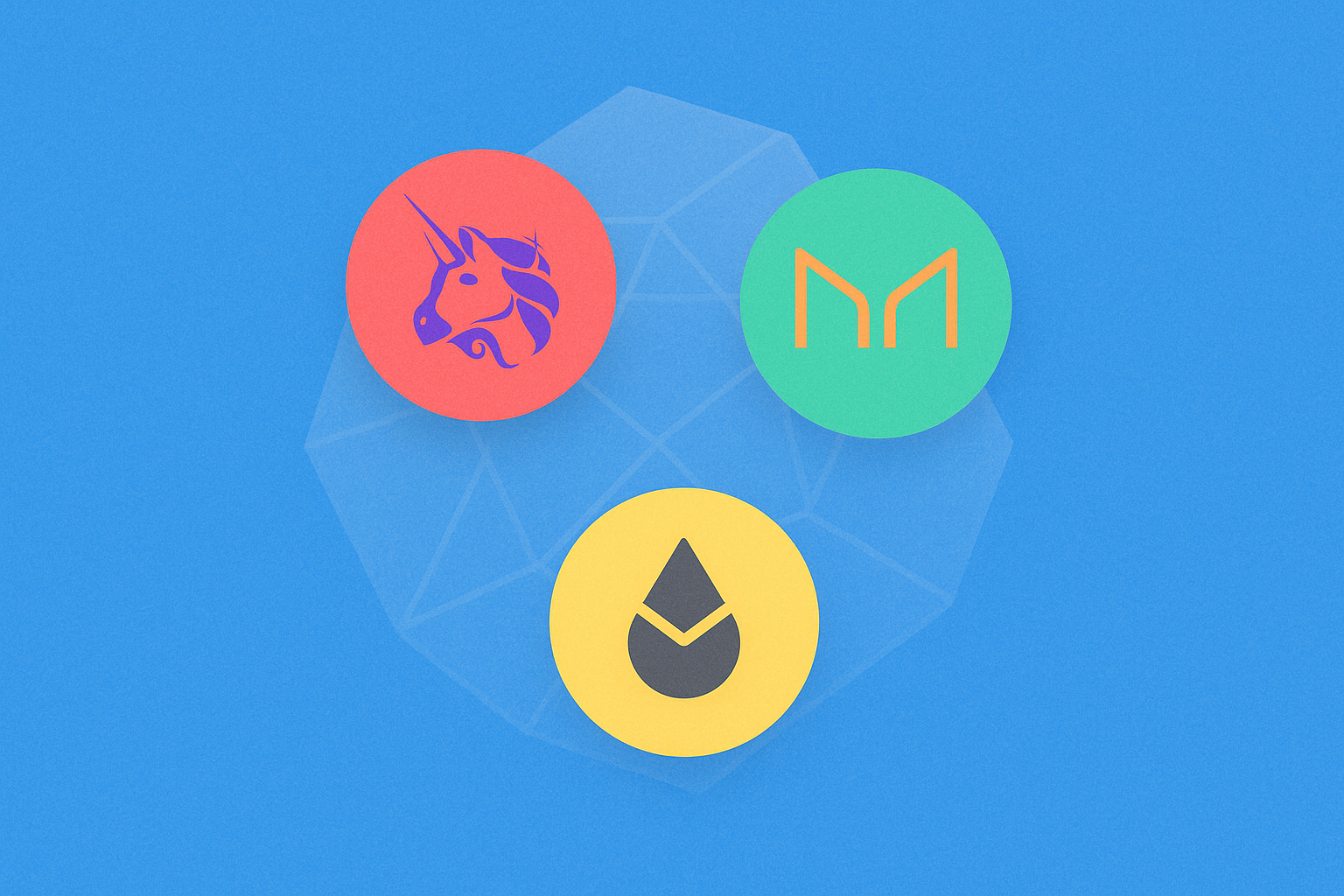
Understanding Decentralized Autonomous Organizations (DAOs)
The article explores Decentralized Autonomous Organizations (DAOs) as innovative governance structures within the Web3 ecosystem. It highlights how DAOs enable democratic community-driven decision-making by utilizing blockchain technology and smart contracts. Key topics include the operational mechanics of DAOs, benefits and risks associated with their use, and notable DAOs like Uniswap, MakerDAO, and Lido. The article aims to address the importance of decentralization, enhance transparency, and discuss challenges such as security and token concentration while suggesting solutions like soulbound tokens. Ideal for readers interested in crypto governance and decentralization.
2026-11-04

Top Decentralized Platforms for Trading
This article offers an in-depth exploration of the top 19 decentralized exchanges (DEXs), focusing on their operational mechanics, advantages, and unique features. It highlights the revolution of peer-to-peer trading platforms that enhance user autonomy, security, and privacy. Tailored for cryptocurrency traders looking to maintain control over their assets, the guide outlines the benefits of non-custodial trading, lower fees, and the use of smart contracts. The article is structured to cover the fundamental concepts of DEXs, analyze leading platforms like Gate, and provide considerations for effective trading strategies. Keywords optimized for clarity and readability include decentralized exchanges, peer-to-peer trading, smart contracts, and liquidity pools.
2026-11-04
What is BIO Protocol and How Does it Revolutionize Decentralized Science?
The article explores BIO Protocol's role as a transformative decentralized science (DeSci) platform, revolutionizing biotechnology research funding by dismantling centralized obstacles. It highlights how BioDAOs and tokenization democratize funding and governance, empowering scientists and communities globally. The structure examines four core components—BioDAOs, curation mechanisms, Bio/Acc Rewards, and IP Tokens—that drive BIO's ecosystem. This community-driven approach addresses research gaps, ensuring alignment between funded projects and stakeholder interests. BIO Protocol emerges as a groundbreaking force in decentralized infrastructure for scientific innovation, shifting power from traditional gatekeepers to collaborative networks.
2026-11-04

Understanding DApps: Exploring Decentralized Applications
"Understanding DApps: Exploring Decentralized Applications" delves into the revolutionary impact of decentralized applications (dApps) on digital interaction. Highlighting their intrinsic qualities such as privacy, security, and user control, the article explores how dApps utilize blockchain technology and smart contracts. It addresses the current challenges and benefits, making it essential reading for blockchain enthusiasts and users interested in the Web3 ecosystem. Structured across key themes—introduction, operation, applications, and pros and cons—it optimizes understanding of dApps while enhancing the reader's ability to navigate the evolving digital landscape.
2026-11-04

What is token economics model: allocation mechanisms, inflation design, and burn strategies explained
This comprehensive guide explains token economics models, the foundational framework driving blockchain project success. It covers three essential pillars: token allocation mechanisms that balance community distribution (50%), team reserves (30%), and investor allocations (20%) to ensure sustainable governance; inflation and deflation dynamics that orchestrate supply through incentive rewards and burn strategies; and value maintenance through buyback programs and burn mechanisms that strengthen long-term token economics. The article examines real-world implementations across projects like Hyperliquid and Raydium, demonstrating how protocol revenue funds continuous token reduction. Finally, it explores governance utility design through staking and voting rights that transform token holders into active ecosystem participants. Whether you're analyzing blockchain investments, designing tokenomics, or understanding cryptocurrency sustainability, this guide provides actionable frameworks for evaluating token econom
2026-02-08

What is tokenomics: token allocation, inflation mechanisms, and governance explained
This comprehensive guide explores tokenomics fundamentals essential for cryptocurrency investors and project stakeholders. The article examines token allocation strategies that balance team, investor, and community interests through structured vesting mechanisms and distribution models. It analyzes inflation and deflation dynamics, demonstrating how burn mechanisms and staking create sustainable supply ecosystems. The guide details governance token utility, explaining how holder participation aligns incentives with protocol development. Perfect for investors evaluating tokenomics quality, founders designing token models, and community members understanding governance rights. Each mechanism is illustrated with practical examples and proven frameworks, providing actionable insights for assessing long-term token value sustainability and ecosystem health across Gate and other DeFi platforms.
2026-02-08

What is TRIA tokenomics: how does the 10 billion token supply and 41.04% community allocation work
TRIA operates with a fixed 10 billion token supply featuring zero inflation design, with 2.189 billion tokens circulating at genesis (21.89% of total supply). The tokenomics prioritize community participation through a 41.04% community allocation—nearly three times larger than the 13.96% investor distribution—reflecting a community-first philosophy. TRIA functions as a multi-utility token enabling BestPath settlement across 100+ blockchains, staking rewards, governance participation, and exclusive membership benefits on Gate and partner platforms. The deflationary architecture relies on vesting unlock schedules rather than continuous emissions, ensuring predictable tokenomics and protection against dilution. This allocation model—comprising 41.04% community, 18% foundation, 15% ecosystem liquidity, 13.96% investors, and 12% core contributors—demonstrates TRIA's commitment to long-term value preservation and organic adoption. The fixed supply cap creates transparent, immutable economics supporting sustainable
2026-02-07