Scrypt
Historical Context and Technological Significance
Scrypt was developed by Colin Percival in 2009 as a cryptographic algorithm specifically designed for Tarsnap, an online backup service. The primary rationale behind its creation was to make large-scale custom hardware attacks significantly more difficult due to the algorithm's high demand on memory resources. This represented a fundamental shift from traditional cryptographic approaches that primarily relied on processing power.
The algorithm's memory-intensive nature stands in stark contrast to the SHA-256 algorithm used by Bitcoin, which primarily requires computational processing power and has consequently led to the rise of specialized mining industries dominated by ASIC (Application-Specific Integrated Circuit) hardware. This difference in approach has profound implications for the accessibility and decentralization of cryptocurrency mining.
The introduction of Scrypt marked a pivotal moment in the cryptocurrency ecosystem as it influenced the development of numerous altcoins that opted for memory-hard algorithms. These cryptocurrencies aimed to encourage more decentralized and accessible mining operations, allowing individual miners with consumer-grade hardware to participate meaningfully in the network validation process. This democratization of mining has been one of Scrypt's most significant contributions to the broader cryptocurrency landscape.
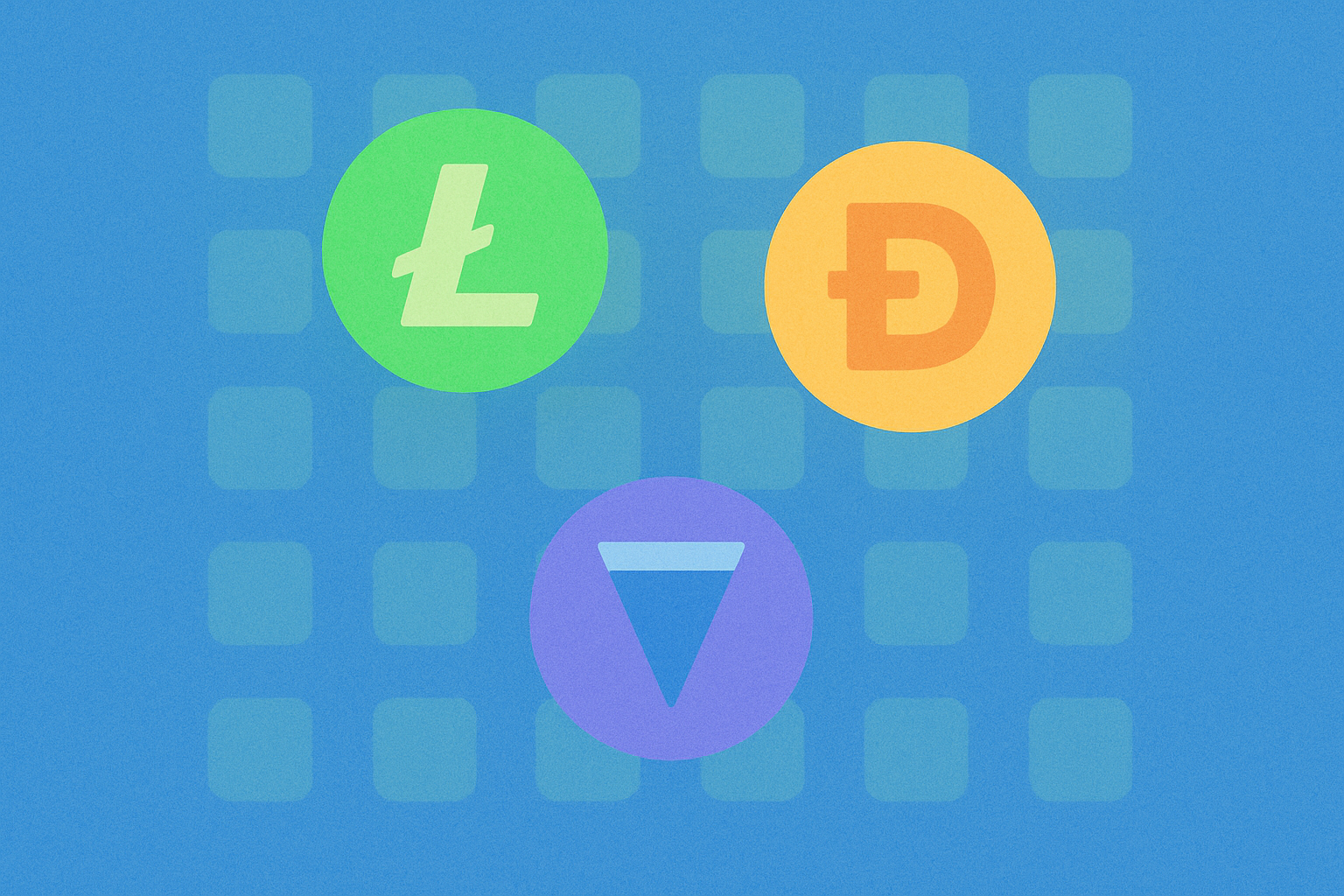
The adoption of Scrypt was notably popularized by Litecoin, which was introduced in 2011 as a lighter alternative to Bitcoin. Litecoin's strategic choice of Scrypt was aimed at allowing more users to mine the currency with consumer-grade hardware, such as CPUs and GPUs, contrasting sharply with Bitcoin's increasing reliance on specialized ASIC hardware. This approach successfully democratized mining operations to a considerable extent, leading to a broader and more geographically distributed base of miners.
Use Cases of Scrypt
Beyond Litecoin, Scrypt has been employed by several other prominent cryptocurrencies, each leveraging the algorithm's unique characteristics to foster more accessible mining ecosystems. Notable among these implementations is Dogecoin, which started as a meme-inspired cryptocurrency but quickly evolved into a significant digital asset due to its user-friendly approach and adoption of the Scrypt algorithm. The choice of Scrypt allowed Dogecoin to maintain a more decentralized mining network, contributing to its community-driven ethos.
Other cryptocurrencies utilizing Scrypt include Verge, which focuses on privacy features while maintaining accessible mining; Bitmark, which emphasizes digital property rights; and PotCoin, designed for the cannabis industry. Each of these projects chose Scrypt for similar fundamental reasons to Litecoin: to foster a more egalitarian mining environment where individual participants could compete effectively without requiring substantial capital investment in specialized hardware.
The widespread adoption of Scrypt across these diverse projects demonstrates the algorithm's versatility and its appeal to cryptocurrency developers seeking to build more inclusive and decentralized networks. By lowering the barrier to entry for miners, Scrypt-based cryptocurrencies have created opportunities for broader community participation in network security and validation processes.
Market Impact and Investment Landscape
The introduction of Scrypt has had a profound impact on the market dynamics and investment landscape of cryptocurrencies. By significantly lowering the entry barrier for miners, Scrypt-based cryptocurrencies have often been perceived as more democratic and decentralized compared to their ASIC-dominated counterparts. This perception has potentially increased their appeal to investors who are concerned about the centralization of mining operations observed in Bitcoin and other SHA-256 based cryptocurrencies.
The use of Scrypt has important implications for network security and the distribution of mining rewards. The more distributed nature of Scrypt mining can contribute to enhanced network resilience, as the mining power is spread across a larger number of independent participants rather than being concentrated in large mining farms. This distribution can influence both the market stability of these coins and their attractiveness to investors seeking exposure to more decentralized cryptocurrency networks.
From an investment perspective, Scrypt-based cryptocurrencies offer diversification opportunities within cryptocurrency portfolios. The different mining economics and network characteristics compared to Bitcoin and Ethereum can provide alternative risk-return profiles that may appeal to different investor segments. Understanding these technical and economic differences is crucial for investors making informed decisions about portfolio allocation in the digital asset space.
Current Trends and Future Directions
As the cryptocurrency market continues to evolve, the role of Scrypt remains significant in shaping the future of digital asset mining and network security. With growing concerns over the environmental impact of cryptocurrency mining, particularly the energy-intensive processes used by currencies like Bitcoin, Scrypt's comparatively lower energy requirements present a potentially more sustainable alternative for proof-of-work consensus mechanisms.
The continuous development in ASIC technology, however, presents ongoing challenges to Scrypt's original goal of ASIC resistance. Over the past several years, manufacturers have developed Scrypt-specific ASIC miners that can outperform consumer-grade hardware, potentially threatening the democratization that Scrypt was designed to promote. This evolution has prompted discussions within cryptocurrency communities about potential algorithm modifications or adaptations to maintain mining accessibility.
In the context of mainstream cryptocurrency exchanges, Scrypt-based cryptocurrencies are actively traded, offering investors and traders diverse options beyond Bitcoin and Ethereum. Major trading platforms facilitate robust trading environments that support a wide array of cryptocurrencies, thereby promoting liquidity and accessibility for coins mined with Scrypt. This institutional support has been crucial in maintaining the relevance and market presence of Scrypt-based digital assets.
Looking forward, the cryptocurrency community continues to explore innovations that build upon Scrypt's foundational principles. These developments may include hybrid consensus mechanisms, enhanced memory-hard algorithms, or entirely new approaches to achieving decentralized and accessible mining. The lessons learned from Scrypt's implementation over the past decade will undoubtedly inform these future innovations.
Conclusion
Scrypt remains a crucial component in the cryptocurrency ecosystem, primarily due to its distinctive approach to democratizing mining operations and its significant implications for network security and decentralization. The algorithm's memory-intensive design has successfully enabled broader participation in cryptocurrency mining, allowing individuals with consumer-grade hardware to contribute meaningfully to network validation processes.
The application of Scrypt across various cryptocurrencies, from established projects like Litecoin and Dogecoin to specialized implementations like Verge and PotCoin, underscores its ongoing relevance in the digital asset landscape. Its impact on market dynamics, mining economics, and technological development continues to shape the evolution of cryptocurrency networks.
For investors and participants in the cryptocurrency market, understanding the technical underpinnings and market dynamics of Scrypt-based cryptocurrencies provides valuable insights for portfolio diversification and risk management. As the digital asset environment continues to evolve rapidly, Scrypt's principles of accessibility, decentralization, and security remain foundational concepts that inform both current practices and future innovations in blockchain technology and cryptocurrency mining.
FAQ
What is Scrypt? What are its main uses?
Scrypt is a key derivation function designed to enhance password security through high computational cost and large memory requirements, making it resistant to brute-force attacks. It is primarily used for secure password storage and cryptographic applications.
What is the difference between Scrypt and SHA-256? Why did Litecoin choose Scrypt?
Scrypt and SHA-256 are different proof-of-work algorithms. Litecoin chose Scrypt to resist ASIC mining dominance and promote decentralized mining, while Bitcoin uses SHA-256.
What are the advantages and disadvantages of Scrypt mining compared to other algorithms?
Scrypt mining offers lower energy consumption and simpler operation compared to SHA-256. However, it lacks robust ASIC support, resulting in lower mining efficiency and reduced profitability for large-scale miners.
How secure is the Scrypt algorithm? Are there any known vulnerabilities?
Scrypt is highly secure with no known major vulnerabilities. Designed by Colin Percival, it requires significant memory to resist custom hardware attacks, making it cryptographically robust and widely trusted in the industry.
How to use Scrypt for password hashing? What is the application principle in password storage?
Scrypt is a password hashing algorithm that secures password storage through computationally intensive operations, making brute-force attacks difficult. It generates derived keys using large pseudo-random bit strings, significantly enhancing security by requiring substantial memory and processing resources.
Why does Scrypt have higher memory requirements than SHA-256? What impact does this have on mining devices?
Scrypt requires more memory to prevent parallel computing and resist ASIC optimization. This raises hardware demands, making it harder to develop specialized mining equipment and promoting more decentralized mining compared to SHA-256.
Understanding Scrypt: A Comprehensive Overview of the Cryptographic Method
What Is the Best Coin to Mine?

Guide to Setting Up Your Own Cryptocurrency Mining Pool

Guide to Setting Up Your Own Cryptocurrency Mining Pool
How to Get Started with Dogecoin Mining: Requirements and Advice for Beginners

Guide to Establishing a Cryptocurrency Mining Pool

What are the compliance and regulatory risks for WHITEWHALE meme coin in 2026: SEC registration, KYC/AML standards, and audit transparency

How to Use MACD, RSI, and Bollinger Bands to Analyze CMC20 Technical Indicators in 2026
How Does CMC20 Community Activity Compare to Other Crypto Tokens With 2 Million Followers and 10,000 Daily Interactions

What regulatory risks and compliance challenges does Fartcoin face in 2025

How does Fartcoin compare to other meme coins in market cap and community size in 2026?