Solo Mining


History and Background of Solo Mining
The emergence of solo mining dates back to the early days of Bitcoin, when it served as the primary method for miners to validate transactions and earn rewards. During Bitcoin's inception in 2009, the mining difficulty was relatively low, making it feasible for individual miners to successfully mine blocks using standard computer hardware.
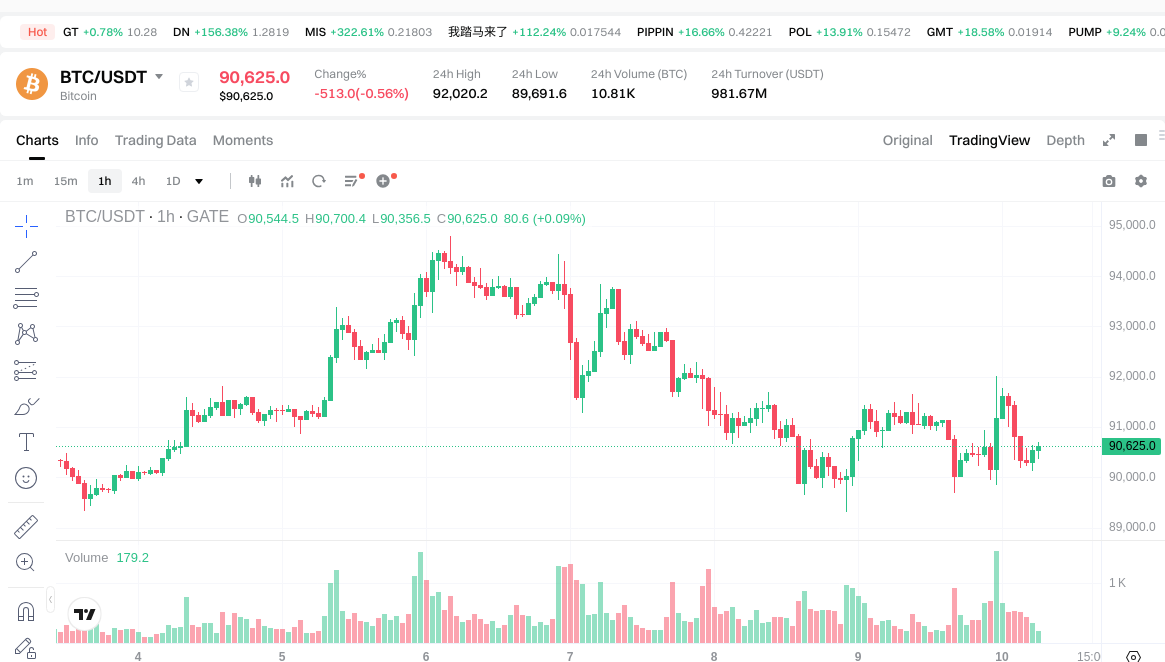 This period represented the golden age of solo mining, where enthusiasts could participate in network security while earning substantial rewards.
As the cryptocurrency ecosystem evolved and mining difficulty increased exponentially, the landscape began to shift dramatically. The rise of specialized mining hardware (ASICs) and large-scale mining farms transformed the competitive environment. These industrial operations possessed computational power far beyond what individual miners could afford, making it increasingly challenging for solo miners to compete effectively. The growing dominance of mining pools, which aggregate the hash power of multiple miners, further diminished the viability of solo mining for individuals with limited resources.
Despite these challenges, solo mining remains an important concept in understanding the decentralized nature of blockchain networks and continues to attract miners who value independence and the potential for full block rewards.
Use Cases and Functions of Solo Mining
Solo mining serves the fundamental purpose of verifying and recording transactions within a blockchain network while maintaining decentralization. The process involves several critical steps that ensure network security and integrity:
- Miners independently collect and verify transactions from the mempool, ensuring they meet network requirements
- They then attempt to solve a complex cryptographic puzzle (proof-of-work) by finding a valid hash that meets the network's difficulty target
- The first miner to discover a valid solution broadcasts it to the entire network for verification
- Once the network validates the solution through consensus, the new block is permanently added to the blockchain
- The successful solo miner receives the complete block reward, including both the block subsidy and transaction fees
The appeal of solo mining lies in several key advantages. First, miners retain 100% of the block rewards without sharing with pool participants, potentially resulting in higher returns if successful. Second, solo miners enjoy complete autonomy in their operations, free from pool rules, fee structures, or payout delays. Third, they contribute directly to network decentralization by operating independently rather than concentrating hash power in pools.
However, solo mining also presents significant challenges. The probability of successfully mining a block as a solo miner depends entirely on one's hash rate relative to the total network hash rate. For major cryptocurrencies like Bitcoin, this probability has become extremely low for individual miners, resulting in highly unpredictable and infrequent rewards.
Impact on the Market and Investment Landscape
Solo mining has played a transformative role in shaping the cryptocurrency market and investment ecosystem. During the early stages of Bitcoin and other cryptocurrencies, solo mining served as the primary mechanism for distributing new coins and securing networks. This grassroots participation model attracted a diverse community of technology enthusiasts and early adopters, contributing to the initial growth and adoption of digital currencies.
The practice significantly influenced cryptocurrency valuations by establishing a tangible cost basis through the computational resources and electricity required for mining. This proof-of-work mechanism created an inherent value proposition that helped legitimize cryptocurrencies as digital assets worthy of investment consideration.
As mining evolved, the shift from solo mining to pool-based mining had profound implications for market dynamics. The concentration of mining power in pools and industrial operations raised concerns about centralization, potentially affecting network security and governance. This evolution prompted discussions about the balance between efficiency and decentralization in blockchain networks.
For investors and market participants, understanding solo mining dynamics provides insights into network security, token distribution mechanisms, and the economic incentives that drive blockchain ecosystems. The profitability calculations associated with solo mining also influence hardware markets, energy consumption debates, and regulatory considerations surrounding cryptocurrency operations.
Latest Trends in Solo Mining
The landscape of solo mining has undergone significant transformation in recent years, marked by both challenges and innovations. The primary trend has been a continued decline in solo mining popularity for established cryptocurrencies, largely attributable to escalating mining difficulty and the emergence of highly efficient industrial mining operations.
However, the solo mining concept is experiencing a renaissance through several innovative approaches:
Algorithm Diversity: Newer blockchain projects are implementing mining algorithms specifically designed to be more solo-miner friendly. These include memory-hard algorithms and ASIC-resistant designs that level the playing field between individual miners and large operations.
Energy Efficiency Initiatives: Environmental concerns have driven the development of more energy-efficient consensus mechanisms and mining protocols. Some projects are exploring hybrid models that reduce the computational intensity required for solo mining while maintaining network security.
Niche Cryptocurrency Opportunities: While solo mining Bitcoin has become impractical for most individuals, numerous alternative cryptocurrencies with lower network hash rates still offer viable solo mining opportunities. These smaller networks provide a testing ground for miners to participate independently without requiring industrial-scale resources.
Technological Advancements: Improvements in mining software, hardware efficiency, and network protocols continue to evolve, potentially creating new opportunities for solo miners in specific niches.
| Year | Bitcoin Mining Difficulty Growth |
|---|---|
| 2009 | 1 (baseline) |
| 2016 | 104,807,485,529.57 |
| Beyond | Continued exponential increase |
In conclusion, while the traditional era of solo mining for major cryptocurrencies has largely passed due to increased competition and difficulty, the fundamental concept continues to evolve. Various blockchain technologies are being developed to make solo mining less energy-intensive and more accessible to individual participants. This resilience and evolution demonstrate the enduring appeal of independent mining and its significance in maintaining the decentralized ethos of cryptocurrency networks. For those willing to explore alternative cryptocurrencies or leverage technological innovations, solo mining remains a viable path to participate directly in blockchain security and token generation.
FAQ
What is Solo Mining and how does it differ from pool mining?
Solo Mining means mining independently without joining a pool. Solo miners keep all block rewards but face lower success rates. Pool mining combines resources with others, sharing rewards proportionally but increasing consistent earning chances.
Solo Mining需要什么硬件和设备?个人电脑能做吗?
Solo mining requires specialized ASIC miners or high-performance GPUs. Personal computers lack sufficient computational power and are economically inefficient for solo mining due to extremely low hash rates and high electricity costs.
How is Solo Mining revenue calculated? Can you earn more compared to joining a mining pool?
Solo Mining revenue is calculated per block reward, typically higher than pool sharing. You may earn more than pool mining, but with higher risk. Success rate and difficulty directly impact your earnings potential.
How to start Solo Mining? What are the specific operational steps?
To begin solo mining, install mining software compatible with your chosen cryptocurrency. Set up a full node, configure your hardware, and connect to the blockchain network. Start mining directly from your wallet. Expect high variance in rewards due to network competition.
What are the risks and challenges of Solo Mining? Is the success rate low?
Solo mining faces hardware failure risks and price volatility challenges. Success rates depend entirely on your equipment's hash power and computational resources. While less predictable than pool mining, dedicated miners with quality hardware can achieve consistent rewards over time.
Is it still worthwhile to do Solo Mining in 2024? What are the prospects?
Solo Mining in 2024 is not profitable due to extremely high global hash rates exceeding 580 EH/s. Even with latest ASIC equipment, individual miners face nearly impossible odds. Prospects remain challenging; consider alternative investment strategies instead.

Guide to Setting Up Your Own Cryptocurrency Mining Pool

Join a Crypto Mining Pool: A Comprehensive Guide
Understanding the Role of a Nonce in Cryptocurrency

Understanding Bitcoin's Hashing Mechanism in Blockchain

Understanding Nonce in Blockchain Technology

Understanding Bitcoin Mining Pools: A Comprehensive Guide

Futures Margin and PNL Calculation

Is Trading on Certain International Forex Brokers Legal in India?

Fear and Greed: XRP's Impact on Investors

What Is XRP Price on Private Ledger? Key Facts Explained
How to Transfer Trust Wallet to Cash App: A Comprehensive Guide