
LCP_hide_placeholder
fomox
MarketsPerpsSpotSwapMeme Referral
More
Smart Money Recruitment
Search Token/Wallet
/

Understanding Directed Acyclic Graph (DAG)

2025-11-10 04:56:17
Altcoins
Blockchain
Crypto Ecosystem
Crypto Tutorial
Web 3.0
Article Rating : 4.1
0 ratings
This article dives into the concept and application of Directed Acyclic Graph (DAG) technology, highlighting its innovative role in the fintech space as an alternative to traditional distributed ledger technologies. It explains DAG's operational characteristics, comparisons to conventional blockchain, and its advantages in transaction speed, energy efficiency, and scalability. The piece analyzes specific cryptocurrencies that utilize DAG, such as IOTA, Nano, and BlockDAG, addressing both the technology's pros and cons and potential decentralization challenges. Ideal for cryptocurrency enthusiasts and fintech professionals, this article offers insights into DAG’s expanding role in the crypto landscape.
Understanding Directed Acyclic Graph (DAG)

What is a directed acyclic graph (DAG)?

Directed acyclic graph (DAG) is an innovative technology in the fintech space, often considered as an alternative to traditional distributed ledger technologies. This article explores the concept of DAG, its workings, and how it compares to other decentralized systems.

DAG vs traditional distributed ledger technology

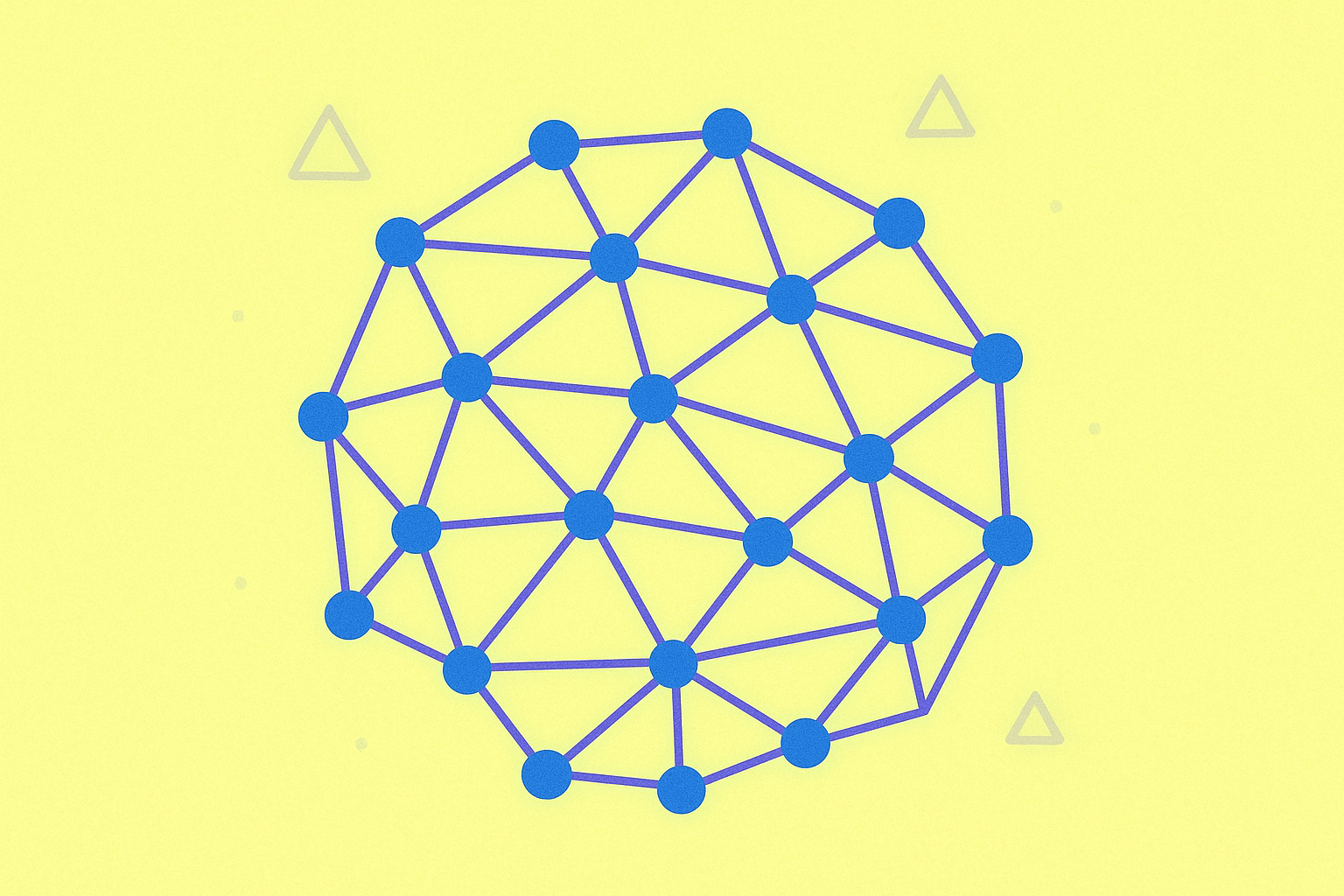
DAG is a data modeling tool used by some cryptocurrencies instead of a conventional blockchain. It's sometimes referred to as a potential "disruptor" due to its advantages. The DAG architecture uses circles (vertices) to represent activities and lines (edges) to show the order of transaction approval. Unlike traditional systems, DAG doesn't gather transactions into blocks but builds them on top of each other, significantly improving transaction speed.

How does DAG technology work?

In a DAG-based system, each transaction (represented by a circle or vertex) is built on top of previous ones. To make a transaction, a user must confirm a prior unconfirmed transaction (called a "tip"). This process creates layers of transactions, allowing the system to grow continuously. DAG also includes a mechanism to prevent double-spending by assessing the entire transaction path back to the first transaction.

What is DAG used for?

DAG technology is primarily used for processing transactions more efficiently than traditional systems. It offers several advantages:

  1. Faster transaction processing due to the absence of blocks
  2. Energy efficiency, as it doesn't rely on traditional mining
  3. Suitability for micropayments due to low or no transaction fees

Which cryptocurrencies use DAG?

Several projects have adopted DAG technology:

  1. IOTA (MIOTA): Known for fast transactions, scalability, and security
  2. Nano: Combines DAG and other distributed ledger technologies
  3. BlockDAG: Offers energy-efficient mining of BDAG cryptocurrency

DAG pros and cons

DAG technology comes with its own set of advantages and disadvantages:

Pros:

  • Faster transaction speeds
  • Zero or low fees
  • Energy efficiency
  • Better scalability

Cons:

  • Potential decentralization issues
  • Limited testing at scale

Conclusion

Directed acyclic graph (DAG) technology presents an intriguing alternative to traditional distributed ledger systems with potential advantages in speed, cost, and scalability. However, as of 2025, it's still evolving and faces challenges such as decentralization issues. As the technology continues to develop, it will be interesting to see how DAG progresses and whether it can overcome its current limitations to compete more effectively with other technologies in the cryptocurrency space.

FAQ

What is DAG used for?

DAG is used for creating scalable, fast, and fee-less cryptocurrency networks. It enables parallel transaction processing, improving efficiency and throughput compared to traditional blockchain systems.

What is a DAG software?

DAG software is a tool that implements Directed Acyclic Graph technology in blockchain systems, enabling faster transactions and improved scalability compared to traditional blockchain structures.

What is the full form of DAG in IP3?

DAG in IP3 stands for Directed Acyclic Graph. It's a data structure used in blockchain technology to improve scalability and transaction speed.

* The information is not intended to be and does not constitute financial advice or any other recommendation of any sort offered or endorsed by Gate.

Share

Content

DAG vs traditional distributed ledger technology

How does DAG technology work?

What is DAG used for?

Which cryptocurrencies use DAG?

DAG pros and cons

Conclusion

FAQ

Related Articles
Guide to Engaging in Parachain Auctions on Polkadot

Guide to Engaging in Parachain Auctions on Polkadot

This guide delves into Polkadot parachains, a breakthrough for blockchain scalability and interoperability. Readers will learn about the architecture's benefits, including seamless cross-chain communication and robust security. The article clarifies the difference between parachains and parathreads, and how to participate in parachain auctions using DOT tokens. Specific projects like Origin Trail and Bittensor highlight the practical implementation of parachains. Finally, it compares parachains with other scaling solutions and discusses ongoing developments in the Polkadot ecosystem. Readers interested in decentralized applications and Web3 innovation will find significant insights.
2025-12-19 22:22:35
Mastering the Fundamentals of Directed Acyclic Graphs

Mastering the Fundamentals of Directed Acyclic Graphs

Discover Directed Acyclic Graph (DAG) technology in the cryptocurrency space and its applications across Web3 and blockchain. DAG delivers exceptional transaction speed, minimal fees, and substantial energy savings. Dive into the decentralized ecosystem and see how DAG can optimize digital transaction performance.
2025-11-20 11:16:05
Understanding Directed Acyclic Graphs in Blockchain Technology

Understanding Directed Acyclic Graphs in Blockchain Technology

This article delves into Directed Acyclic Graphs (DAGs) as an innovative solution in blockchain technology, exploring how DAGs offer faster transaction speeds, improved scalability, and energy efficiency compared to traditional blockchains. It explains the difference between DAGs and blockchains, how DAGs work, and their applications, such as fast transactions and micropayments. While DAGs provide advantages like low fees and scalability, challenges such as limited adoption and potential centralization exist. This piece is essential for anyone interested in futuristic cryptocurrency systems and the technological advancements driving them. Keywords: DAG, blockchain, transaction speed, scalability, energy efficiency.
2025-11-20 04:22:37
Exploring the Potential of Internet Computer Protocol (ICP)

Exploring the Potential of Internet Computer Protocol (ICP)

Exploring the Potential of Internet Computer Protocol (ICP) introduces readers to the revolutionary blockchain network developed by the DFINITY Foundation, offering decentralized cloud alternatives. It explains ICP's functionality, enabling fast, decentralized applications, and smart contracts. Readers will learn how to manage ICP tokens, create wallets, buy tokens through Gate, and understand security features. The article is aimed at developers and users interested in blockchain technology's impact on internet operations, providing insights and practical steps for engaging with this emerging ecosystem.
2025-11-27 13:35:33
Introduction to Directed Acyclic Graphs (DAG)
Introduction to Directed Acyclic Graphs (DAG)

Learn what a Directed Acyclic Graph (DAG) is and how it’s transforming the cryptocurrency landscape in comparison to traditional blockchain. Examine key advantages—including speed, scalability, and energy efficiency—and explore its use cases in Web3 and other sectors. Understand why platforms like IOTA leverage DAGs for feeless transaction processing and see how these solutions stack up against Gate.
2025-11-16 10:26:49
Exploring Distributed Ledgers: A Non-Block Approach

Exploring Distributed Ledgers: A Non-Block Approach

"Exploring Distributed Ledgers: A Non-Block Approach" delves into alternatives to traditional blockchain structures, focusing on ledgers like IOTA's Tangle, which operate without transaction blocks using DAG architectures. This article addresses scalability, cost, and energy efficiency challenges in conventional blockchain systems, making it essential for tech enthusiasts and developers interested in innovative DLTs. The logical flow covers key characteristics, practical applications, and technical implementations, enhancing keyword density for optimized SEO. Read on for insights into cutting-edge ledger technologies suited for IoT, microtransactions, and more.
2025-12-20 17:12:14
Recommended for You
What is the impact of regulatory compliance and SEC oversight on cryptocurrency projects in 2026
What is the impact of regulatory compliance and SEC oversight on cryptocurrency projects in 2026

This comprehensive analysis examines how SEC regulatory compliance and oversight reshape cryptocurrency project operations in 2026. The article explores the SEC's refined enforcement framework targeting securities classification, KYC/AML compliance requirements, and audit transparency standards that fundamentally impact market adoption and investor confidence. Through case studies of enforcement actions and their market consequences, readers learn how compliant projects gain competitive advantages in institutional capital access and exchange listings. The guide addresses critical compliance requirements, distinguishes regulatory approaches across different asset classes, and provides strategic frameworks for cryptocurrency projects navigating evolving regulatory landscapes. Essential for project developers, institutional investors, and compliance officers seeking clarity on 2026's regulatory environment and its market implications for cryptocurrency operations and capital allocation.
2026-01-20 01:54:13
What is the difference between major cryptocurrency competitors in 2026: performance, market cap, and user adoption comparison
What is the difference between major cryptocurrency competitors in 2026: performance, market cap, and user adoption comparison

This article provides a comprehensive comparison of major cryptocurrency competitors in 2026, examining Bitcoin, Ethereum, Solana, and Gate through market cap performance and user adoption metrics. The analysis reveals how these platforms differentiate through distinct technological advantages: Bitcoin maintains legitimacy as the largest cryptocurrency, Ethereum powers smart contract ecosystems, Solana delivers high-speed transactions at lower costs, and Gate facilitates market infrastructure access. The article explores critical differentiators including scalability, transaction speed, and ecosystem development, while evaluating emerging projects like Resolv that demonstrate multi-chain strategies. Market dynamics in 2026 show competitive positioning increasingly determined by innovation, institutional backing, and practical utility rather than first-mover advantage. Essential for investors evaluating cryptocurrency investments and understanding how specialized positioning reshapes digital asset competition
2026-01-20 01:51:45
What do crypto derivatives market signals tell us about future price movements: futures open interest, funding rates, and liquidation data analysis

What do crypto derivatives market signals tell us about future price movements: futures open interest, funding rates, and liquidation data analysis

This comprehensive guide explores how crypto derivatives market signals predict price movements through three key metrics: futures open interest reveals institutional positioning and trend reversals, funding rate divergence across Gate and other platforms identifies arbitrage opportunities and extreme sentiment, and liquidation cascades indicate volatility zones and correction risks. Options open interest concentration patterns establish support and resistance levels for derivatives traders. By analyzing long-short ratio imbalances alongside liquidation data, traders can identify statistically probable correction zones and manage risk effectively. Combining these signals—monitoring open interest trends, identifying overbought conditions through funding rates, and tracking liquidation levels—enables traders to optimize entry points and develop robust risk management strategies in cryptocurrency derivatives markets.
2026-01-20 01:49:33
What Is a Token Economic Model: Distribution, Inflation, Burn Mechanisms, and Governance Explained
What Is a Token Economic Model: Distribution, Inflation, Burn Mechanisms, and Governance Explained

This comprehensive guide explores token economic models, the foundational system determining how cryptocurrencies are created, distributed, and managed. The article examines four critical pillars: token distribution frameworks that allocate supply fairly among teams, investors, and communities; inflation and deflation mechanisms that balance supply dynamics and long-term value preservation; burn and destruction strategies that reduce circulating supply and combat inflationary pressure; and governance rights that empower token holders with decision-making authority. Through real-world examples like Cardano's structured 45-billion ADA model, the guide demonstrates how sustainable tokenomics aligns stakeholder incentives, enhances protocol legitimacy, and supports ecosystem adoption. Ideal for investors, developers, and enthusiasts seeking to understand cryptocurrency economics and evaluate project viability.
2026-01-20 01:47:49
How Does Cryptocurrency Regulatory Compliance Affect Your Investment Risk in 2026
How Does Cryptocurrency Regulatory Compliance Affect Your Investment Risk in 2026

This comprehensive guide examines how 2026 cryptocurrency regulatory compliance directly shapes your investment risk profile across four critical dimensions. First, the SEC's evolved regulatory stance classifies many crypto assets as securities, requiring strict compliance for exchanges like Gate and affecting token liquidity and value. Second, audit report transparency gaps create hidden operational risks that sophisticated investors exploit while retail investors remain vulnerable. Third, regulatory events significantly correlate with market volatility, as demonstrated by Cardano's 44% decline during compliance uncertainty. Finally, robust KYC/AML implementation by platforms substantially reduces counterparty risk and fraud exposure. By understanding these compliance frameworks, monitoring regulatory developments, and choosing compliant trading venues, investors can meaningfully reduce regulatory shock, enhance market stability, and make informed decisions that protect cryptocurrency investments against une
2026-01-20 01:45:59
What Do Derivatives Market Signals Tell Us About Future Crypto Price Movements: Analyzing Futures Open Interest, Funding Rates, and Liquidation Data

What Do Derivatives Market Signals Tell Us About Future Crypto Price Movements: Analyzing Futures Open Interest, Funding Rates, and Liquidation Data

This article reveals how crypto derivatives market signals predict price movements through analysis of futures open interest, funding rates, and liquidation data. Futures open interest and funding rates indicate trader positioning and market sentiment—rising open interest with elevated positive funding rates often precedes corrections, while extreme ratios signal vulnerability to liquidation cascades. Long-short positioning imbalances trigger reversal risks when prices move against crowded positions on platforms like Gate, causing automated liquidations that amplify price swings. Options open interest and implied volatility decode expected volatility clusters and market turning points within 24-72 hours. By integrating these derivatives metrics with price action, traders gain predictive advantages to identify support/resistance levels, time entries and exits more effectively, and manage risk during high-leverage unwinding periods that characterize volatile crypto markets.
2026-01-20 01:44:12