Arbitrageur

Role and Impact of Arbitrageurs in the Market
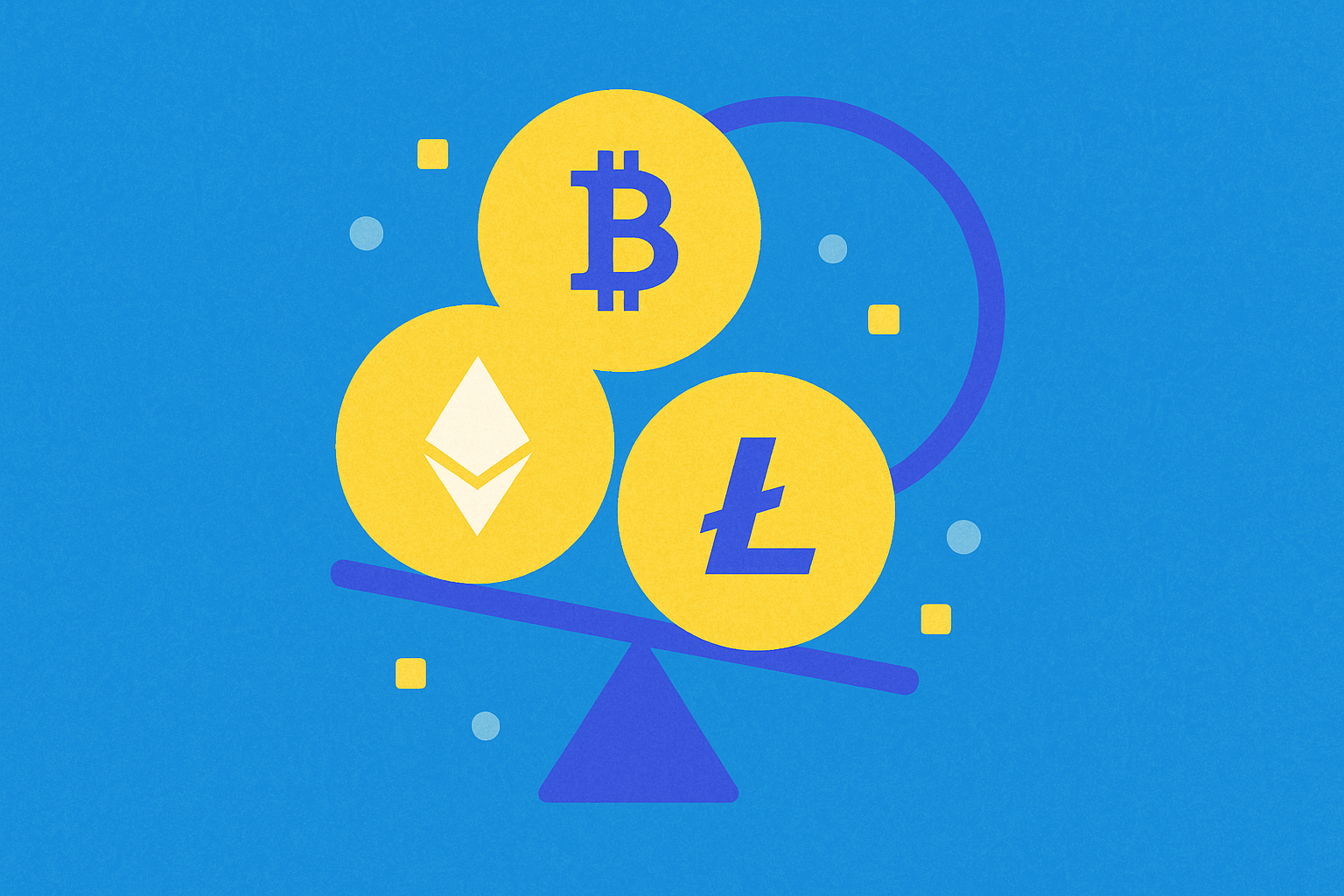
Arbitrageurs play a pivotal role in financial markets by ensuring prices remain closely aligned with fair value over time. By seizing price discrepancies, they actively contribute to price discovery and maintain liquidity between markets. This process enhances the overall efficiency of the financial system, as it helps synchronize the prices of identical or similar financial instruments across different markets or asset forms.
Examples of Arbitrage Opportunities
One common arbitrage strategy involves simultaneously buying and selling a stock listed on two different exchanges, where even minor pricing variations exist. For instance, if a stock trades at slightly different prices on two markets, an arbitrageur will purchase it on the lower-priced exchange and sell it on the higher-priced one, profiting from the spread. Currency arbitrage is another example, where traders exploit differences in exchange rates between foreign exchange markets or currency pairs.
Technological Developments and Arbitrage
Technology is foundational to today’s arbitrage strategies. High-frequency trading (HFT) systems, which leverage advanced computing power to execute massive volumes of orders at ultra-fast speeds, are commonly used by arbitrageurs. These systems rapidly detect price gaps across markets and execute trades in milliseconds, capturing fleeting arbitrage opportunities. Furthermore, algorithmic trading has automated complex arbitrage strategies, enabling real-time adaptation to shifting market conditions.
Importance for Investors
For investors, grasping the concept and mechanics of arbitrage can be vital for several reasons. First, arbitrage may provide a relatively low-risk avenue for profit, provided the investor has access to the necessary analytical tools and technology. Second, the presence of arbitrageurs in the market reassures investors that the assets they buy or sell are fairly valued, since meaningful price gaps are likely to be closed quickly by arbitrage activity.
Cryptocurrency Market Arbitrage
Cryptocurrency markets are highly volatile and fragmented across numerous exchanges, creating frequent arbitrage opportunities. For example, Bitcoin prices often vary slightly between platforms. Arbitrageurs capitalize by purchasing Bitcoin on an exchange with a lower price and immediately selling it on another with a higher price.
 This approach not only benefits the arbitrageur but also helps standardize cryptocurrency prices across different exchanges.
Arbitrage Challenges
Despite its appeal, arbitrage faces significant hurdles. Transaction and withdrawal fees, along with processing delays, can diminish profits. The growing adoption of sophisticated technology among multiple arbitrageurs has intensified competition, narrowing profit margins. Additionally, regulatory discrepancies and legal restrictions across jurisdictions can present major barriers to cross-border arbitrage.
Conclusion
Arbitrageurs are essential to the financial ecosystem, driving greater market efficiency and liquidity by leveraging price gaps between platforms. While technology has significantly enhanced arbitrageurs’ capabilities, it has also increased competition and operational complexity. Arbitrage is especially prevalent in stocks, currencies, and cryptocurrencies, where price differences between exchanges can be profitably exploited. Understanding arbitrage mechanics and impacts equips both traders and investors with valuable market insight.
FAQ
What Is an Arbitrageur? How Do Arbitrageurs Make Money?
An arbitrageur takes advantage of price gaps for the same asset across multiple markets. They buy at a lower price and sell at a higher price, earning profit from the price differential.
What Are the Common Arbitrage Strategies for Arbitrageurs? For Example, Intermarket Arbitrage, Intertemporal Arbitrage, Etc.?
Typical strategies include intermarket arbitrage (exploiting price gaps between markets), intertemporal arbitrage (targeting price differences between futures contracts), and cross-asset arbitrage (buying undervalued and selling overvalued assets).
What Are the Risks of Arbitrage Transactions? How Do Arbitrageurs Manage These Risks?
Risks include insufficient liquidity and price slippage. Arbitrageurs use strict risk controls, diversify their portfolios, and closely monitor price gaps across markets to mitigate these risks.
What’s the Difference Between an Arbitrageur and a Regular Investor?
An arbitrageur targets price gaps between different contracts, executing buy and sell trades simultaneously to capture those opportunities. In contrast, a regular investor typically tracks a single contract’s price movement with one-sided positions. Arbitrageurs seek to profit consistently from market inefficiencies.
Do Arbitrageurs Operate in the Cryptocurrency Market?
Arbitrageurs exploit price differences across trading platforms by buying low and selling high, rapidly generating profits. Their success hinges on execution speed and high trading volumes.

Understanding Block Trades: A Comprehensive Viewing Guide
Is Trading One of the Hardest Jobs?

Navigating the Complexities of Crypto Trading

Top Decentralized Exchange Aggregators for Optimal Trading

Comprehensive Overview of Cryptocurrency Aggregators and Their Benefits

Top Tools for Optimizing Your Crypto Trading Strategy

Staking
What is Filecoin (FIL) fundamentals: whitepaper logic, use cases, and technology innovation explained

How do derivatives market signals predict crypto price volatility in 2026

What is causing GALA price volatility and can it recover in 2026

What are the key derivatives market signals for crypto trading: futures open interest, funding rates, and liquidation data explained