Metaverse Technologies
Prerequisites for Metaverse Technology
At its most fundamental level, the Metaverse is a digital universe that unites multiple realities—physical, virtual, and augmented—within a single, networked ecosystem. It comprises shared virtual spaces, created through the convergence of physical and virtual technologies, allowing users to move seamlessly between various digital environments.
The term "metaverse" was first coined by Neal Stephenson in his 1992 science fiction novel "Snow Crash," where people, as avatars, interact with each other and with software agents in a three-dimensional virtual world. Since then, the concept has evolved from literary fiction into technological reality. Today, Metaverse technology refers to a fully immersive digital space where users can interact in real time, create content, conduct economic transactions, and build social connections.
A pivotal milestone in the technology's evolution was the decision by major tech companies to invest in this sector. Notably, Facebook rebranded as Meta, signaling its strategic shift toward developing Metaverse technologies. This transformation demonstrates the market's growing interest and the surge in investment from both tech giants and startups in the Metaverse concept.
Applications of Metaverse Technology
The Metaverse presents a broad spectrum of potential applications spanning nearly every aspect of human activity. These applications highlight the technology's versatility and transformative power:
Social Interaction: Social platforms built on the Metaverse enable users to gather and interact virtually in fully immersive environments. Unlike traditional social networks, users can experience each other's presence through avatars, gestures, and spatial audio, delivering a more natural and engaging form of communication.
Entertainment and Gaming: Virtual reality (VR) and augmented reality (AR) gaming are among the most developed segments of the Metaverse. Gamers can not only play but also build their own game worlds, monetize their creations, and participate in virtual economies.
Education and Learning: Virtual classrooms for remote learning and virtual campus tours open up new educational possibilities. Students can visit historical sites, perform scientific experiments in virtual labs, or study anatomy with interactive 3D models, greatly enhancing educational quality and accessibility.
E-commerce: Online stores with VR showrooms let shoppers "experience" products before buying. Users can try on clothing with their avatars, examine products from every angle, or even test digital versions of real-world items.
Work and Collaboration: Virtual workspaces for teamwork and remote collaboration are emerging as alternatives to traditional offices. Teams can hold meetings in virtual conference rooms, collaborate on projects in shared digital environments, and use three-dimensional data visualization tools.
Market Impact of Metaverse Technology
Metaverse technology is reshaping the global market, creating new economic opportunities and transforming established business models. Analysts project exponential growth for the Metaverse market, with valuations rising from tens of billions to hundreds of billions of dollars within a few years.
This expansion signals a bold new investment landscape filled with untapped opportunities for both businesses and individuals. Companies across sectors—from real estate and fashion to education and entertainment—are actively exploring ways to integrate Metaverse technologies into their strategies.
New professions and specialties are emerging in the development, design, and management of virtual spaces. The markets for virtual real estate, digital assets, and Metaverse-based services are generating new revenue streams for content creators, developers, and entrepreneurs. Investments in Metaverse tech are also driving progress in related industries such as VR/AR hardware, cloud computing, and high-speed networking.
Latest Trends and Innovations in Metaverse Technology
One of the most prominent trends in Metaverse technology is its integration with blockchain and decentralized finance (DeFi). Blockchain delivers trust, transparency, and security in the Metaverse, empowering users with true ownership of digital assets through NFT (non-fungible token) mechanisms.
Decentralized finance enables seamless financial transactions in the Metaverse without traditional financial intermediaries. Users can buy, sell, lend, and invest in virtual assets using cryptocurrencies and smart contracts. This fosters a truly global and inclusive economy accessible to anyone with an internet connection.
Significant advancements are also being made in augmented and virtual reality. New generations of VR headsets are lighter, more affordable, and offer higher resolution and a broader field of view. Haptic feedback technology enables users to "feel" virtual objects, making the Metaverse even more immersive and interactive.
Artificial intelligence increasingly shapes dynamic and adaptive virtual environments. AI-powered characters interact naturally with users, while machine learning algorithms personalize each user's Metaverse experience.
Metaverse Tokens on Cryptocurrency Platforms
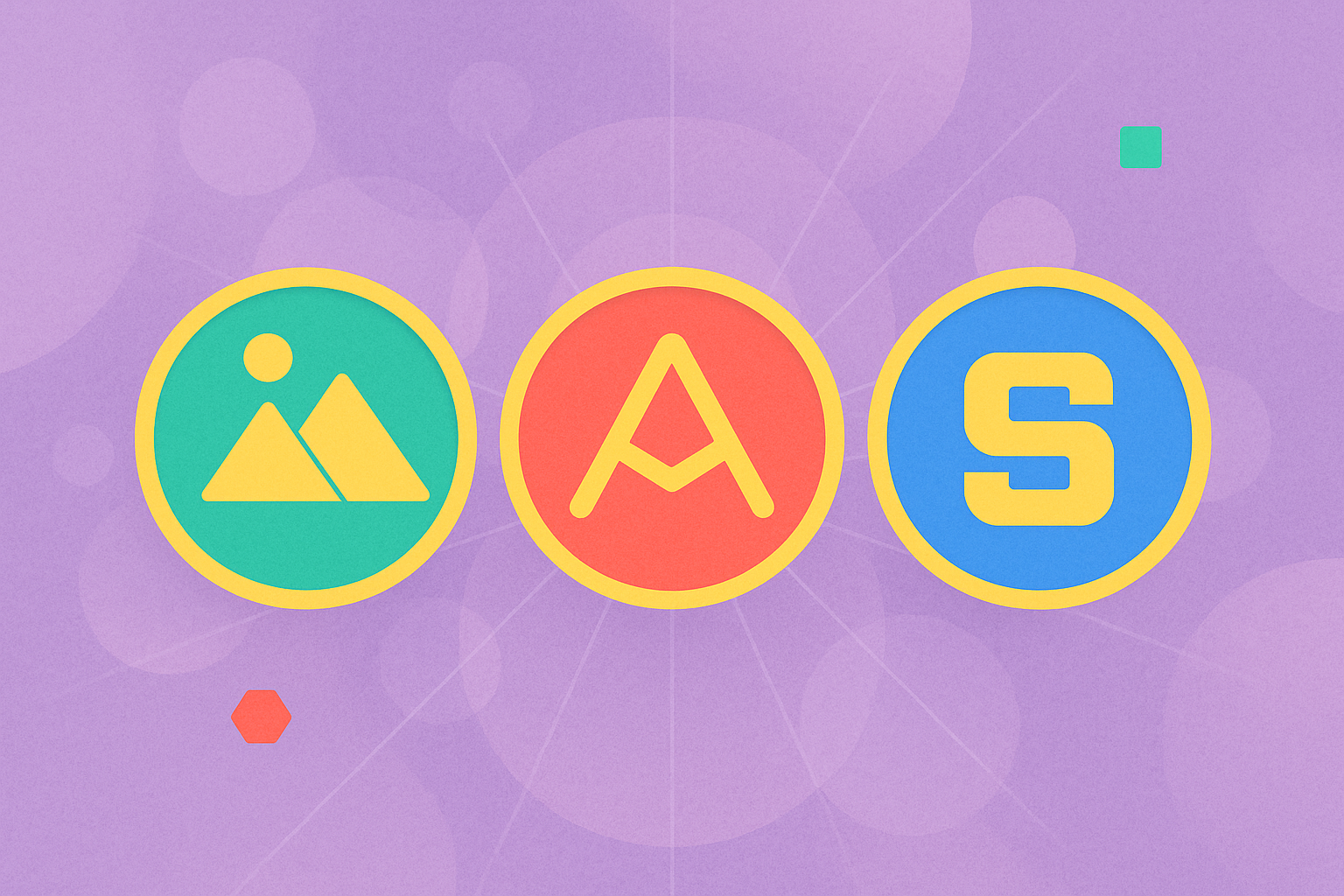
Tokens like Decentraland (MANA), Axie Infinity (AXS), and The Sandbox (SAND) are available for trading on top cryptocurrency platforms. These tokens are integral to their respective Metaverse ecosystems, granting holders a range of rights and opportunities.
Token holders gain voting power in platform development through decentralized governance (DAO) structures. They also access specific Metaverse services, purchase virtual real estate, create and monetize content, and participate in in-game economies.
Each project offers a distinctive approach to the Metaverse. Decentraland centers on building a decentralized, community-driven virtual world. Axie Infinity pioneered the "play-to-earn" model, enabling players to earn real income through gameplay. The Sandbox gives users powerful tools to create their own games and experiences within the platform.
Crypto trading platforms play a crucial role in the Metaverse ecosystem, providing liquidity and global access to these tokens. This enables investors and enthusiasts to participate in the Metaverse economy's growth and support innovative projects.
Conclusion
Metaverse technology is a rapidly expanding sector, offering extensive functional and economic opportunities for businesses, content creators, and everyday users alike. From social interaction to business operations, from education to entertainment, Metaverse technology is laying the foundation for a profound shift in how we perceive and engage with digital spaces.
The convergence of virtual reality, blockchain, artificial intelligence, and high-speed networking is unlocking unique avenues for innovation. The Metaverse is not just an evolution of the internet—it's a fundamental transformation of digital experience that dissolves the boundaries between physical and virtual worlds.
As the technology evolves and matures, embracing the Metaverse may prove critical for maintaining relevance in an increasingly digital society. Companies that successfully integrate Metaverse technologies into their strategies will secure a significant competitive edge. For individuals, the Metaverse opens new opportunities for self-expression, creativity, learning, and earning.
It's essential to recognize that Metaverse development is not a short-lived trend, but a long-term shift that will shape the future of the digital economy and society. Investing in understanding and mastering these technologies today can yield considerable rewards in the years ahead.
FAQ
What is the Metaverse? What are its core technological features?
The Metaverse is a virtual world that integrates 5G, the Internet of Things, big data, artificial intelligence, and blockchain. The cornerstone is blockchain, which enables distributed processing and secure, intermediary-free data exchange.
What key technologies are essential for the Metaverse, and what roles do VR, AR, AI, and blockchain play?
The Metaverse relies on four key technologies: AI powers intelligent interactions, VR and AR deliver immersive experiences, and blockchain secures data and builds trust within the ecosystem.
How do you access the Metaverse? What devices or platforms are required?
To enter the Metaverse, you'll need a VR/AR device or a smartphone. Select a platform like Meta Horizon Worlds, Sandbox, or VRChat, create an account, and join the community.
How do virtual assets and digital currencies function in the Metaverse?
Virtual assets and digital currencies in the Metaverse operate on blockchain technology. Users can buy and trade virtual items, land, and NFTs. All transactions are recorded on a distributed ledger, ensuring security and transparency. Digital currency is the medium of exchange for all activities.
What are the practical applications of the Metaverse, and how will its use evolve in gaming, education, and commerce?
The Metaverse is being applied in gaming, social networking, and industry. Core prospects include VR gaming, digital education, industrial simulations, and commercial platforms. However, widespread adoption depends on further technology development and more compelling applications.
What security and privacy risks exist on Metaverse platforms?
Metaverse platforms face threats such as cyberattacks, data breaches, and illegal activities. Technical vulnerabilities can be exploited to steal user information. Identity and behavioral data are particularly susceptible to misuse.
How does the Metaverse differ from virtual reality (VR) and augmented reality (AR)?
The Metaverse combines VR and AR technologies. VR fully immerses users in a digital environment, while AR overlays digital information onto the real world. The Metaverse leverages both to create an interconnected virtual experience.
What are the major Metaverse platforms today, and what are their distinguishing features?
Leading Metaverse platforms include Decentraland, Sandbox, and Roblox. Decentraland is a decentralized platform with virtual real estate. Sandbox emphasizes creativity and gaming. Roblox offers social interaction and user-generated content. Each platform has distinct ecosystems and monetization opportunities.
How is Metaverse technology advancing, and what technical challenges remain?
Metaverse technology is rapidly evolving, but must overcome challenges with bandwidth and computational resources. Key issues include network scalability, enhanced graphics, privacy protection, and standardizing protocols for cross-platform interaction.
How will the Metaverse impact the future of society, the economy, and the way we work?
The Metaverse will reshape social and economic frameworks through global connectivity, increased productivity, and innovation. It will create new opportunities in the digital economy, transform work and production, but requires effective regulation to balance virtual and physical realities.

Discover Exciting Upcoming NFT Projects in the Digital Art World

Exciting New NFT Ventures to Watch Out For
Discover Exciting New NFT Projects on the Horizon

Top Emerging NFT Projects to Watch in 2023

What is an NFT?

Exciting Future NFT Releases to Watch

Collateralization

What is Quai Network? 8 Key Features Making Next-Generation Blockchain Accessible to Everyone

What is Boost Coin (BOOST)
How to Get Free Bitcoins?
What Is Cryptocurrency? A Comprehensive Guide for Beginners