
LCP_hide_placeholder
fomox
MarketsPerpsSpotSwapMeme Referral
More
Smart Money Recruitment
Search Token/Wallet
/

Rugpull

2026-01-10 12:08:03
Blockchain
Crypto Insights
Crypto Tutorial
DeFi
Investing In Crypto
Article Rating : 4.5
half-star
81 ratings
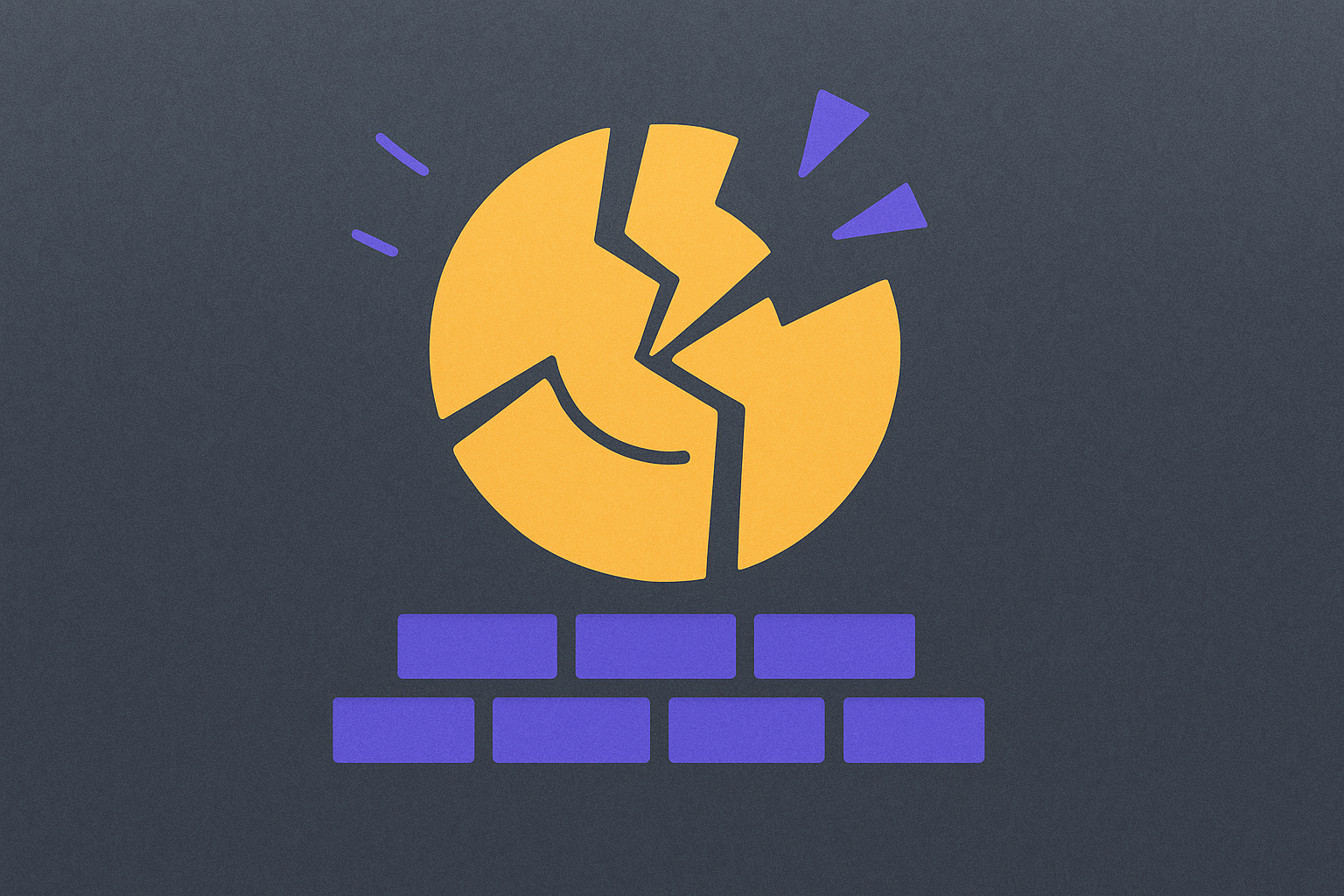
This comprehensive guide explores rug pulls in cryptocurrency, a critical threat where developers abandon projects and steal investor funds. The article examines the mechanisms behind rugpulls, including tokenomics exploitation, smart contract manipulation, and liquidity pool drainage that have resulted in hundreds of millions in losses. It highlights the erosion of trust in the DeFi ecosystem and regulatory responses to this fraud. The guide details preventive innovations such as on-chain analysis tools, smart contract auditing services, decentralized identity verification, and time-lock mechanisms. Additionally, it provides practical strategies for investors to identify warning signs and assess project legitimacy before investing. By understanding these risks and implementing protective measures, investors can navigate the cryptocurrency landscape more safely and contribute to building a more secure blockchain ecosystem through Gate and other security-conscious platforms.
Rugpull

A "rugpull" in the cryptocurrency world refers to a malicious maneuver in the DeFi (decentralized finance) sector where crypto developers abandon a project and run away with investors' funds. This term has become synonymous with scams in the blockchain community, highlighting the significant risks associated with investing in seemingly lucrative yet unregulated projects.

Blockchain analytics data shows a significant rise in rugpull incidents in recent years, with losses amounting to hundreds of millions of dollars globally. In a notable case, the developers behind a popular DeFi project disappeared with over $2 million of investor funds within weeks of the project's launch. These incidents have become a major concern for both retail and institutional investors, prompting increased scrutiny of new DeFi projects and heightened awareness of the warning signs that may indicate a potential rugpull scheme.

Background or History

The concept of a rugpull is not new but has found particularly fertile ground in the cryptocurrency domain, especially with the explosive rise of DeFi projects. These projects often promise exceptionally high returns and revolutionary technological innovations without the oversight and regulatory frameworks typical in traditional financial systems. The term "rugpull" is derived from the colloquial expression "pulling the rug out from under someone," which perfectly encapsulates the sudden and unexpected nature of these scams.

The phenomenon gained widespread attention during the DeFi boom when numerous projects emerged promising innovative solutions to traditional financial problems. However, the lack of regulatory oversight and the pseudonymous nature of blockchain transactions created an environment where bad actors could easily exploit unsuspecting investors. The ease of creating tokens and launching projects on decentralized platforms lowered the barrier to entry, inadvertently opening the door for fraudulent schemes.

Use Cases or Functions

Rugpulls typically occur in several common scenarios within the DeFi ecosystem, each employing different mechanisms to defraud investors:

  • Tokenomics Exploitation: Developers create a cryptocurrency token, generate hype through social media and marketing campaigns, and then sell off their substantial holdings once sufficient investment has been made by unsuspecting investors. This massive sell-off drastically drops the token value, leaving other investors with worthless assets. This type of rugpull often involves developers holding a disproportionately large percentage of the total token supply, which they can liquidate at any time.

  • Smart Contract Manipulation: Developers may insert hidden backdoors, malicious code, or exploits in the smart contract code, which they use to drain funds once the project gains enough traction and liquidity. These backdoors can include functions that allow only the developers to withdraw funds, mint unlimited tokens, or pause trading for other users while they exit their positions. The technical complexity of smart contracts makes it difficult for average investors to detect these vulnerabilities without thorough code audits.

  • Liquidity Pool Drainage: In some cases, developers provide initial liquidity to decentralized exchanges to create the appearance of a legitimate trading environment. Once enough investors add their funds to the liquidity pool, the developers suddenly withdraw all the liquidity, making it impossible for other investors to sell their tokens.

Impact on the Market, Technology, or Investment Landscape

Rugpulls severely undermine trust in the burgeoning DeFi and broader cryptocurrency markets, creating lasting damage that extends beyond immediate financial losses. They not only lead to significant financial losses for individual investors but also tarnish the reputation of legitimate projects seeking to innovate and attract investment capital. This erosion of trust has far-reaching consequences for the entire blockchain ecosystem.

The prevalence of rugpulls has prompted calls for better regulatory frameworks and enhanced due diligence processes across the industry. Investors have become more cautious, demanding greater transparency and proof of legitimacy before committing funds to new projects. This increased scrutiny, while beneficial for investor protection, has also made it more challenging for legitimate projects to gain traction and secure funding.

Furthermore, rugpulls have attracted the attention of regulatory bodies worldwide, leading to increased regulatory pressure on the cryptocurrency industry. This has resulted in a complex landscape where projects must balance innovation with compliance, potentially slowing down development but ultimately contributing to a more mature and sustainable ecosystem.

As awareness of rugpulls increases, the cryptocurrency community and regulatory bodies are developing sophisticated tools and frameworks to combat this type of fraud. These innovations represent a collective effort to create a safer investment environment:

On-Chain Analysis Tools: Advanced blockchain analytics platforms now offer real-time monitoring of smart contracts, token distributions, and transaction patterns. These tools can identify suspicious activities such as large token holdings by single addresses, unusual contract permissions, or patterns consistent with previous rugpull schemes. Investors can use these tools to conduct their own research before investing in new projects.

Decentralized Identity Verification: New systems are emerging that allow developers to verify their identities without compromising privacy, creating accountability while maintaining the pseudonymous nature of blockchain technology. These systems use cryptographic proofs to demonstrate that project teams are real individuals with verifiable track records.

Smart Contract Auditing Services: Professional security firms now offer comprehensive smart contract auditing services, examining code for vulnerabilities, backdoors, and potential exploits. Many legitimate projects now voluntarily undergo these audits and publish the results to build investor confidence.

Community-Driven Due Diligence: Decentralized platforms and communities have emerged where investors collectively research and evaluate new projects, sharing findings and warning signs. This crowdsourced approach to due diligence helps identify potential rugpulls before they can cause significant damage.

Time-Lock Mechanisms: Some projects now implement time-lock features in their smart contracts, preventing developers from accessing liquidity pools or large token holdings for a specified period. This provides investors with greater security and demonstrates the project team's commitment to long-term development.

In conclusion, while rugpulls pose a significant risk in the cryptocurrency and DeFi sectors, understanding their mechanisms and impact can help investors navigate these waters more safely. The ongoing development of preventive technologies, enhanced due diligence practices, and emerging regulatory measures are crucial to safeguard investments and foster a healthier market environment. Major cryptocurrency exchanges have implemented rigorous project vetting processes, continuous monitoring of project activities, and partnerships with blockchain security firms to audit new tokens and DeFi projects. These collective efforts by the industry represent important steps toward creating a more secure and trustworthy ecosystem for cryptocurrency transactions and investments, ultimately contributing to the maturation and mainstream adoption of blockchain technology.

FAQ

What is a Rug Pull? How does it happen in cryptocurrency?

A rug pull is a crypto scam where developers abandon projects and steal investor funds. It typically involves withdrawing liquidity from decentralized exchanges, causing token prices to collapse. Avoid it by verifying developer credibility, checking for locked liquidity, and confirming third-party security audits.

How to identify and prevent Rugpull risks? What are common warning signals?

Watch for unrealistic returns, excessive marketing, and lack of transparency. Key warning signals include missing team information, no clear tokenomics, and suspicious transaction volume. Verify project legitimacy, research team backgrounds, and check community feedback before investing.

What is the difference between Rugpull and ordinary project failure?

Rugpull is deliberate fraud where developers intentionally steal funds and disappear. Ordinary project failure results from technical issues, market changes, or poor management without criminal intent or premeditated theft.

What are some famous Rugpull cases in history?

Notable cases include OneCoin, which defrauded billions of dollars, and various memecoin projects that collapsed within minutes, causing massive losses to retail investors. These incidents highlight the risks of unverified cryptocurrency projects.

Investors can file fraud lawsuits against the project team if misled. Legal remedies include securities law violations and breach of contract claims. Consulting with a qualified attorney is essential to assess your specific case and pursue appropriate legal action.

How to assess whether a new cryptocurrency project has rug pull risk?

Check for anonymous developers, lack of liquidity locks, hidden sell restrictions, price spikes from few holders, suspicious high returns, and missing third-party audits. Verify team credibility and conduct thorough due diligence on smart contracts and project transparency.

Rugpull涉及哪些刑事责任和民事赔偿?

Rugpull涉及欺诈罪等刑事责任,可能面临监禁和罚款。民事方面,受害者可向法院起诉要求赔偿损失,包括资金损失和利息赔偿。

How should investors protect themselves from rug pull scams?

Research project transparency, verify smart contract audits, and check team credibility. Ensure liquidity is locked, avoid anonymous teams, and be cautious of guaranteed high returns. Start with small investments in new tokens and conduct thorough due diligence before committing capital.

* The information is not intended to be and does not constitute financial advice or any other recommendation of any sort offered or endorsed by Gate.

Share

Content

Background or History

Use Cases or Functions

Impact on the Market, Technology, or Investment Landscape

FAQ

Related Articles
Comprehensive Guide to Detecting Crypto Scams with Token Analysis

Comprehensive Guide to Detecting Crypto Scams with Token Analysis

This article provides a comprehensive guide to detecting crypto scams through token analysis, highlighting essential tools and techniques to safeguard your digital assets. It addresses the need for vigilance amidst the evolving tactics of scammers by detailing the functionalities of tools like Quick Intel, Token Sniffer, and RugDoc. Ideal for crypto investors of all levels, the piece systematically covers fraud detection methods, warning signs via blockchain explorers, and strategies to avoid common scams such as rug pulls and honeypots. Stay informed and protect your investments in the dynamic crypto landscape.
2025-11-02 10:28:36
Understanding Perpetual Bonds: A Clear Explanation for Investors

Understanding Perpetual Bonds: A Clear Explanation for Investors

This article offers a comprehensive guide to understanding perpetual bonds, a financial instrument providing indefinite income without a maturity date. It addresses what perpetual bonds are, their working mechanisms, and how they impact both investors and issuers. Through detailed sections, the article explains the calculation of a bond's value, and evaluates the pros and cons of investing in perpetual bonds. A notable example highlights their long-term nature. Designed for investors, this piece aids in grasping the nuances of perpetual bonds, ensuring informed financial decision-making. Keywords include "perpetual bonds," "fixed-income securities," and "investor strategy."
2025-10-30 10:23:06
Ensuring Blockchain Transparency through Crypto Reserve Audits
Ensuring Blockchain Transparency through Crypto Reserve Audits

The article delves into Proof of Reserves (PoR), essential for verifying crypto exchanges' financial health. It explains PoR's mechanics using cryptographic tools like Merkle trees, ensuring trust and transparency without compromising user privacy. The limitations, such as auditor trustworthiness and regulatory inconsistencies, are addressed. It guides traders on accessing PoR audits via exchange sites, price aggregators like CoinMarketCap, and blockchain explorers. Aiming to foster a secure crypto ecosystem, PoR proves vital for choosing reliable platforms. Key terms: Proof of Reserves, crypto audit, transparency, Gate.
2025-11-26 11:58:31
Understanding Crypto Token Burning: A Simple Explanation

Understanding Crypto Token Burning: A Simple Explanation

This article offers a comprehensive guide to understanding crypto token burning, a key mechanism in digital asset management. It explains how token burning creates scarcity, potentially enhancing value, and examines its strategic uses in price recovery, stability, and user incentives. The piece addresses risks like regulatory scrutiny and perception of manipulation while providing historic examples of major burns. Ideal for participants in the crypto ecosystem, this resource ensures informed decisions regarding token economics. Key topics include token supply, market sentiment, and crypto project strategies.
2025-12-08 04:10:00
Navigating Impermanent Loss: A Beginner's Guide

Navigating Impermanent Loss: A Beginner's Guide

"Navigating Impermanent Loss: A Beginner's Guide" delves into the complexities of impermanent loss within decentralized finance (DeFi), specifically affecting liquidity providers in automated market maker (AMM) protocols. The article explains the workings of AMM liquidity pools, causes and calculations of impermanent loss, and strategies for mitigation. Readers will learn how impermanent loss impacts asset values and ways to manage risks effectively. The guide targets DeFi participants, offering insights on market conditions, tool usage, and strategic approaches to minimize losses. Ideal for those seeking to understand and navigate the risks associated with DeFi liquidity provision.
2025-11-19 13:11:13
Understanding TVL in the Crypto World: A Guide to Total Value Locked

Understanding TVL in the Crypto World: A Guide to Total Value Locked

This article sheds light on Total Value Locked (TVL) in the crypto world, a pivotal metric for assessing DeFi health and performance. It explores TVL’s importance, calculation methods, and limitations, offering insight for traders, investors, and analysts. Key questions addressed include the implication of TVL levels, its distinction from liquidity and market cap, and what constitutes a good TVL ratio. Designed for easy comprehension, this guide enhances decision-making by explaining the dynamics of user engagement, market sentiment, and protocol reliability within DeFi systems.
2025-10-31 05:13:18
Recommended for You
What is a cryptocurrency project's fundamental analysis: whitepaper logic, use cases, technology innovation, and team background explained
What is a cryptocurrency project's fundamental analysis: whitepaper logic, use cases, technology innovation, and team background explained

This comprehensive guide explains how to conduct fundamental analysis on cryptocurrency projects by evaluating four core pillars: whitepaper logic, technology innovation, team execution capability, and market validation indicators. Learn to identify genuine problem-solving approaches and value propositions beyond marketing hype, assessing whether projects offer real differentiation from competitors. The article examines how technological innovations translate into practical use cases, using Hyperliquid's high-performance Layer 1 blockchain and on-chain DEX as a real-world example. Discover how to evaluate team credentials and roadmap achievement rates as predictors of project success. Master adoption metrics including exchange listings, trading volume, and on-chain indicators that validate whether fundamental strengths generate actual market traction. This framework helps investors distinguish between sustainable projects with genuine utility and speculative ventures, providing actionable criteria for informe
2026-01-21 01:35:18
What Drives Crypto Price Volatility: Historical Trends, Support Resistance Levels, and BTC ETH Correlation Analysis

What Drives Crypto Price Volatility: Historical Trends, Support Resistance Levels, and BTC ETH Correlation Analysis

This comprehensive guide explores cryptocurrency price volatility through historical trends, technical analysis, and major asset correlations. Readers will understand multi-year market cycles, identify critical support and resistance levels that drive price reversals, and analyze short-term volatility metrics across BTC, ETH, and other digital assets. The article examines how Bitcoin and Ethereum correlation patterns ripple through broader markets, particularly on trading platforms like Gate. Whether you're analyzing 24-hour price fluctuations or identifying breakout zones, this resource connects historical price movements to actionable trading signals. Perfect for traders, investors, and analysts seeking to decode crypto volatility drivers and optimize market timing strategies.
2026-01-21 01:33:30
What is a token economics model and how does it affect crypto value through allocation, inflation, and governance mechanisms?

What is a token economics model and how does it affect crypto value through allocation, inflation, and governance mechanisms?

Token economics models fundamentally determine cryptocurrency value through four interconnected mechanisms. This comprehensive guide explores how balanced token allocation—distributing 10-20% to teams, 20-30% to investors, and 50-70% to communities—creates sustainable ecosystems. Discover how emission schedules and fixed supply caps like ChainLink's 1 billion token limit preserve long-term value through scarcity mechanics. Learn deflationary strategies including burn mechanisms and staking rewards that systematically reduce circulating supply. Understand governance tokenomics, where voting rights align stakeholder incentives with protocol development on platforms like Gate. Whether you're evaluating investment opportunities or designing token systems, this article reveals how allocation fairness, inflation control, and democratic governance create sustainable value accumulation and community-driven protocol evolution.
2026-01-21 01:31:39
What is the fundamentals analysis of crypto projects: whitepaper logic, use cases, technology innovation, roadmap progress, and team background explained

What is the fundamentals analysis of crypto projects: whitepaper logic, use cases, technology innovation, roadmap progress, and team background explained

This comprehensive guide explores fundamental analysis of cryptocurrency projects across five critical dimensions. The article examines whitepaper core logic to identify genuine problems and technical solutions, analyzes real-world use cases and market adoption metrics demonstrating ecosystem traction, evaluates technical innovation and protocol design that create competitive advantages, assesses roadmap execution track records reflecting team capability, and investigates team background and experience predicting delivery success. By combining these fundamentals-focused evaluations, investors and stakeholders can distinguish projects with sustainable utility from speculative ventures. The guide provides practical frameworks for evaluating token economics, adoption patterns on platforms like Gate, security implementations, and transparent communication standards that characterize credible blockchain projects poised for long-term viability and ecosystem value creation.
2026-01-21 01:29:43
How to Use MACD, RSI, and Bollinger Bands to Predict Crypto Price Movements
How to Use MACD, RSI, and Bollinger Bands to Predict Crypto Price Movements

This comprehensive guide teaches crypto traders how to use MACD, RSI, and Bollinger Bands to predict price movements and identify trend reversals. MACD tracks momentum shifts, RSI reveals overbought/oversold conditions, and Bollinger Bands establish dynamic support-resistance levels—together they filter false signals and increase reversal probability. The article explores golden cross and death cross signals for timing entries and exits, plus volume-price divergence analysis to spot corrections before they accelerate. Learn how to combine these indicators on Gate for multi-confirmation trading strategies that reduce false signals. Practical FAQs address overbought/oversold levels, parameter settings across timeframes, and risk management techniques. This guide equips beginners and experienced traders with a systematic framework for analyzing market psychology and executing high-probability trades in cryptocurrency markets.
2026-01-21 01:27:53
Is It Too Late to Buy Bitcoin Now? Expert Analysis

Is It Too Late to Buy Bitcoin Now? Expert Analysis

Discover Bitcoin’s Outlook for 2024: Expert Predictions ($200K–$2.4M), DCA Strategy, Recommended 4–5% Allocation, and Why It’s Still Not Too Late to Invest. A Complete Guide for Spanish-speaking Investors with Technical Analysis and Risk Management.
2026-01-21 01:26:27